
Is It Safe to Travel to Morocco? Everything You Need to Know
Get the facts on security, health, and cultural etiquette for your next trip to Morocco.
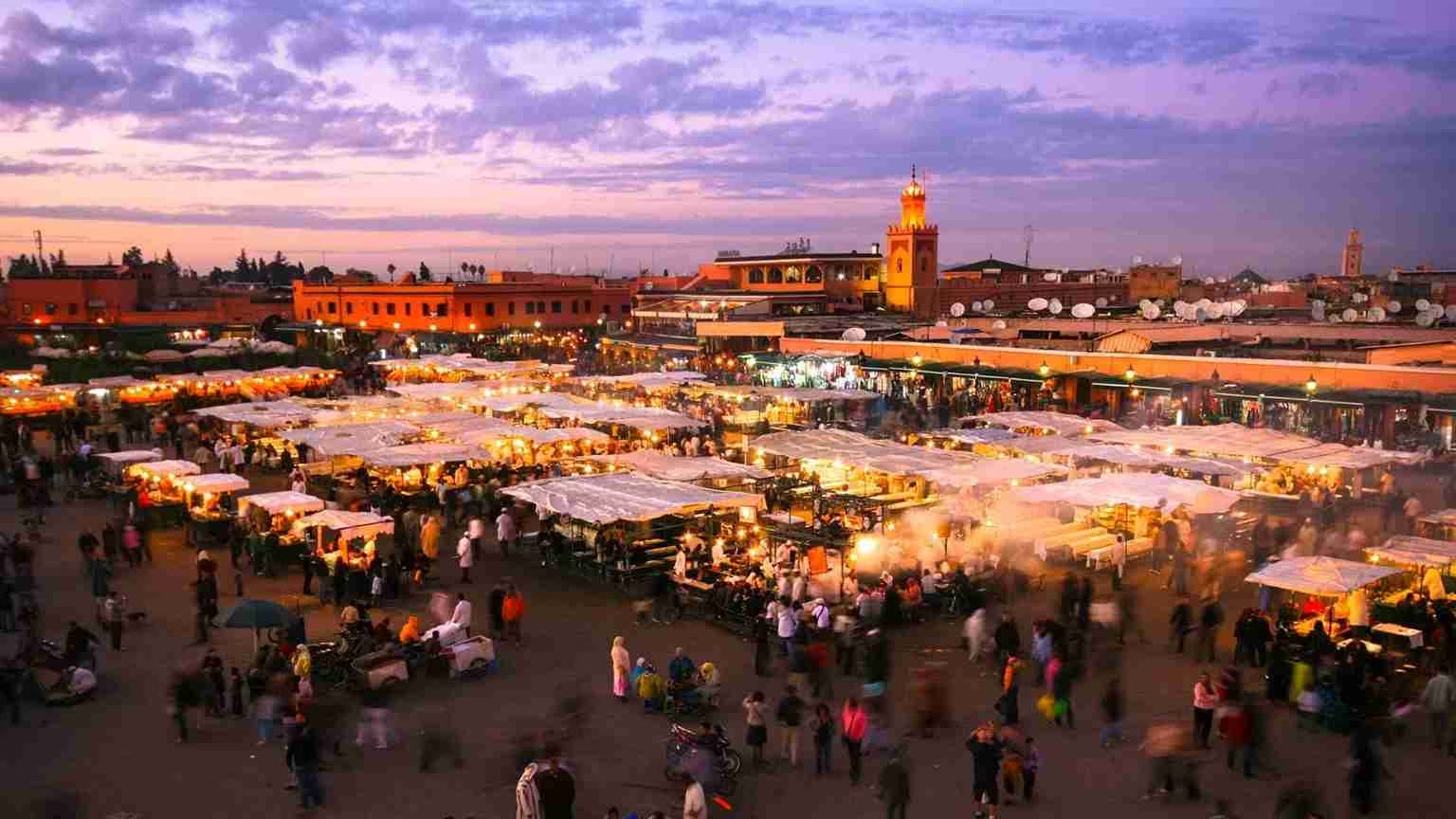
For many travelers, the decision to travel to Morocco is born from a desire to see the golden dunes of the Sahara, the blue walls of Chefchaouen, and the ancient history of Fes. However, a common question often precedes the booking; Is Morocco safe? In a world of shifting global dynamics, travelers want to know if they can explore this North African gem with peace of mind. The short answer is yes, Morocco remains one of the most stable and welcoming destinations in the region, but safety here is a combination of government effort and traveler awareness.
When you choose to travel to Morocco, you are entering a country that places a high premium on the security of its visitors. Tourism is a pillar of the national economy, and the local authorities go to great lengths to ensure that travelers feel protected. Whether you are navigating the busy souks of Marrakech or trekking through the quiet trails of the High Atlas, understanding the local context is the best way to ensure your trip is defined by wonder rather than worry.
The Current Situation: Is it safe to travel to morocco right now?
Many wonder: is it safe to travel to morocco right now? The country continues to enjoy a period of significant stability. The Moroccan government has invested heavily in tourist police forces and infrastructure improvements to maintain a secure environment. Travelers will notice a visible security presence in major cities and near historic sites, which acts as a deterrent for petty crime and provides a sense of reassurance for those who travel to Morocco for the first time.
Safety is not just about the absence of conflict; it is about the presence of a well-organized system. From the high-speed Al Boraq trains to the well-maintained highways connecting Casablanca to Agadir, the infrastructure supports a smooth journey. If you are traveling to Morocco from US or Europe, you will find that the country feels remarkably similar to Mediterranean Europe in its pace of life and safety standards, particularly in the modern “Ville Nouvelle” areas of the major cities.
Navigating the Medinas: Petty Crime and Scams
While violent crime is extremely rare, petty crime like pickpocketing or “faux guides” can occur in crowded areas. When you travel to Morocco, the best defense is a proactive approach. In the narrow alleys of the Fes or Marrakech medinas, keep your belongings in a secure crossbody bag and avoid displaying expensive jewelry or large amounts of cash. These are standard precautions for any global city, but they are particularly relevant in the sensory-heavy environment of a Moroccan market.
Common scams often involve “helpful” strangers offering directions only to demand a fee at the end. To avoid this, always download an offline map or, better yet, book one of those common guided walking tours in Marrakech or Fes, these tours include a licensed local guide. Having a professional by your side not only enriches your understanding of the history but also acts as a shield against unwanted attention. This allows you to explore Morocco with a focus on the architecture and the artisans rather than worrying about your route.
Specific Advice for Female and Solo Travelers
We often hear from women asking about the safety of independent exploration. While female travellers in Morocco might experience more verbal attention than they are used to, it is generally harmless. The key to a successful experience is cultural alignment. By respecting local dress codes and maintaining a confident demeanor, you will find that the vast majority of Moroccans are incredibly respectful.
For those who prefer a balance of independence and security, private Morocco tours offer the perfect middle ground. You can still travel in Morocco on your own terms, but you have a dedicated driver and guide to handle the logistics. This is often the preferred choice for those on a 10-day Morocco itinerary for solo female travellers, as it ensures every arrival and departure is handled with professional care.
Health, Food, and Water Safety
Beyond physical security, health is a vital part of safety. When you travel to Morocco, the golden rule is to stick to bottled water for drinking. While the tap water in major cities is treated, the mineral content can be different from what your system is used to. Moroccan cuisine is legendary for its freshness, and eating at busy stalls where you can see the food being cooked at high heat is generally safe and a highlight of the trip.
If you have specific dietary needs or allergies, navigating Morocco can sometimes be a challenge. In these cases, traveling with a private guide who can communicate directly with the chefs is invaluable. This ensures that your decision to travel to Morocco remains a culinary delight rather than a digestive struggle. Also, ensure your travel insurance is up to date and covers medical evacuation, a standard recommendation for any international traveler.
The Road Ahead: Driving and Transportation
For those who want to travel to Morocco and explore the rural beauty of the High Atlas or the desert, transportation is a key consideration. Moroccan roads are generally excellent, but driving styles can be assertive. If you are not comfortable navigating mountain passes or busy urban traffic, we highly recommend hiring a private driver. This is a standard feature of our Morocco tours, allowing you to relax and take photos of the Draa Valley while a professional handles the road.
Taking the bus or train is also a safe and efficient way to travel in Morocco between cities. The CTM and Supratours bus lines are reliable and comfortable. However, for the ultimate peace of mind and comfort, a private vehicle remains the gold standard, especially for families or those carrying expensive photography equipment. It allows you to travel around Morocco at your own pace, stopping for breaks whenever you wish.
The Role of Cultural Respect in Safety
In Morocco, “safety” is often tied to “respect.” Morocco is a deeply traditional society where hospitality is a sacred duty. When you travel to Morocco and show an interest in the local customs, learning a few words of Moroccan Arabic or Berber or dressing modestly in rural areas, the locals will often go out of their way to ensure you are safe and happy. Respecting the “No Photo” signs at certain religious sites and asking permission before photographing people are small gestures that build immense goodwill.
When you travel to Morocco with an open heart and a respectful mind, the country opens up to you in ways that a standard tourist never sees. You might be invited for tea in a Berber home or guided through a hidden garden by a local who simply wants to show you the beauty of his city. This is the true essence of safety in the Kingdom, a community that looks out for its guests as if they were family. It is this spirit that makes the decision to travel to Morocco one of the best choices any traveler can make.
Planning Your Morocco Itinerary
Whether you are looking for a 5 days trip in Morocco or an extensive 2 week Morocco itinerary, the structure of your trip is your safety net. By booking through Morocco Best Trips, you aren’t just getting a tour; you are getting a local partner who is available 24/7 to assist with any needs. Our goal is to ensure that when you travel around Morocco, your only task is to soak in the colors, the scents, and the incredible history of this North African jewel.
In conclusion, is it safe to travel to Morocco? Yes, absolutely. With a bit of common sense, cultural respect, and the right local partners, your Moroccan adventure will be as safe as it is spectacular. Morocco is waiting to welcome you with open arms, all you have to do is take the first step and book your journey.
Quick Safety Facts
Is the tap water safe?
While treated in cities, we recommend bottled water for drinking to avoid any stomach upsets while you travel in Morocco.
Do I need any vaccinations?
Standard vaccinations are recommended. Consult your doctor before you travel to Morocco for the most up-to-date health advice.
Is it safe for LGBTQ+ travelers?
Morocco is a conservative country. Discretion in public is recommended for all couples, regardless of orientation, to respect local sensibilities.
Prepare for Your Trip
Travel with Peace of Mind
Ready to explore the wonders of Morocco with the security of an expert local team? Let Morocco Best Trips family design your safe, private Morocco trip today.