

Morocco Tours from Fes
Medina Walks, Desert Nights & Imperial Routes
Fes was Founded more than a thousand years ago and still built around a car-free old city of nine thousand alleys. These tours from Fes range from a single guided morning in the medina to a full trip to the south, most finishing in Marrakech or back here depending on the route.
How Booking Works
Pick a Starting Point
Decide between a city experience inside Fes itself or a multi-day route heading out, then scroll to the matching length below.
We Confirm the Details
Dates, group size and any changes you’d like get confirmed directly, usually within a few hours.
We Meet You at Your Riad
Your guide or driver-guide starts the day at your accommodation or the airport.
All Our Tours from Fes
Browse our tailored Morocco tours from Fes, ranging from brief medina cultural excursions to immersive multi-day Sahara desert trips, neatly organized by duration to help you find your perfect route in a single scroll.
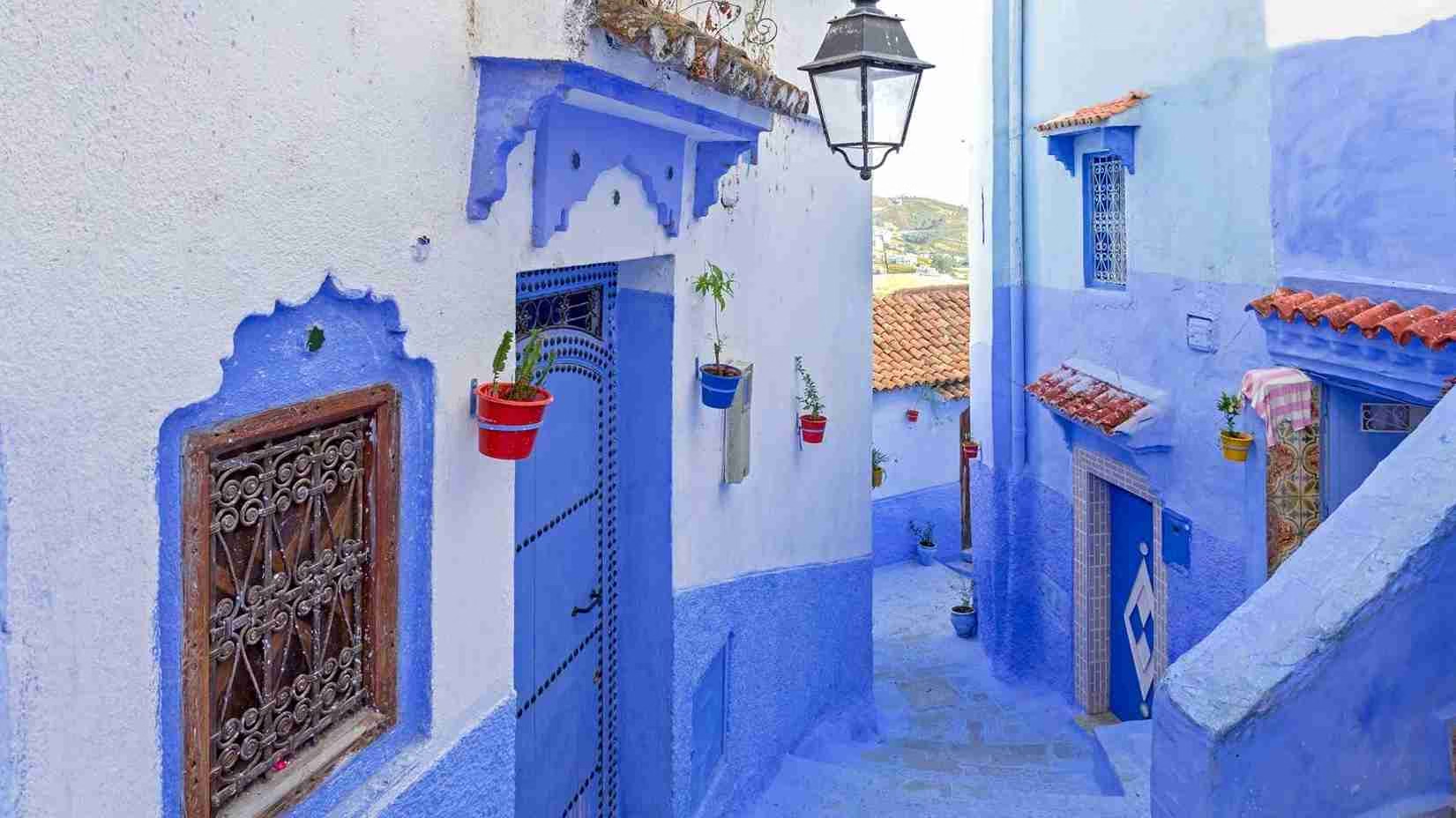
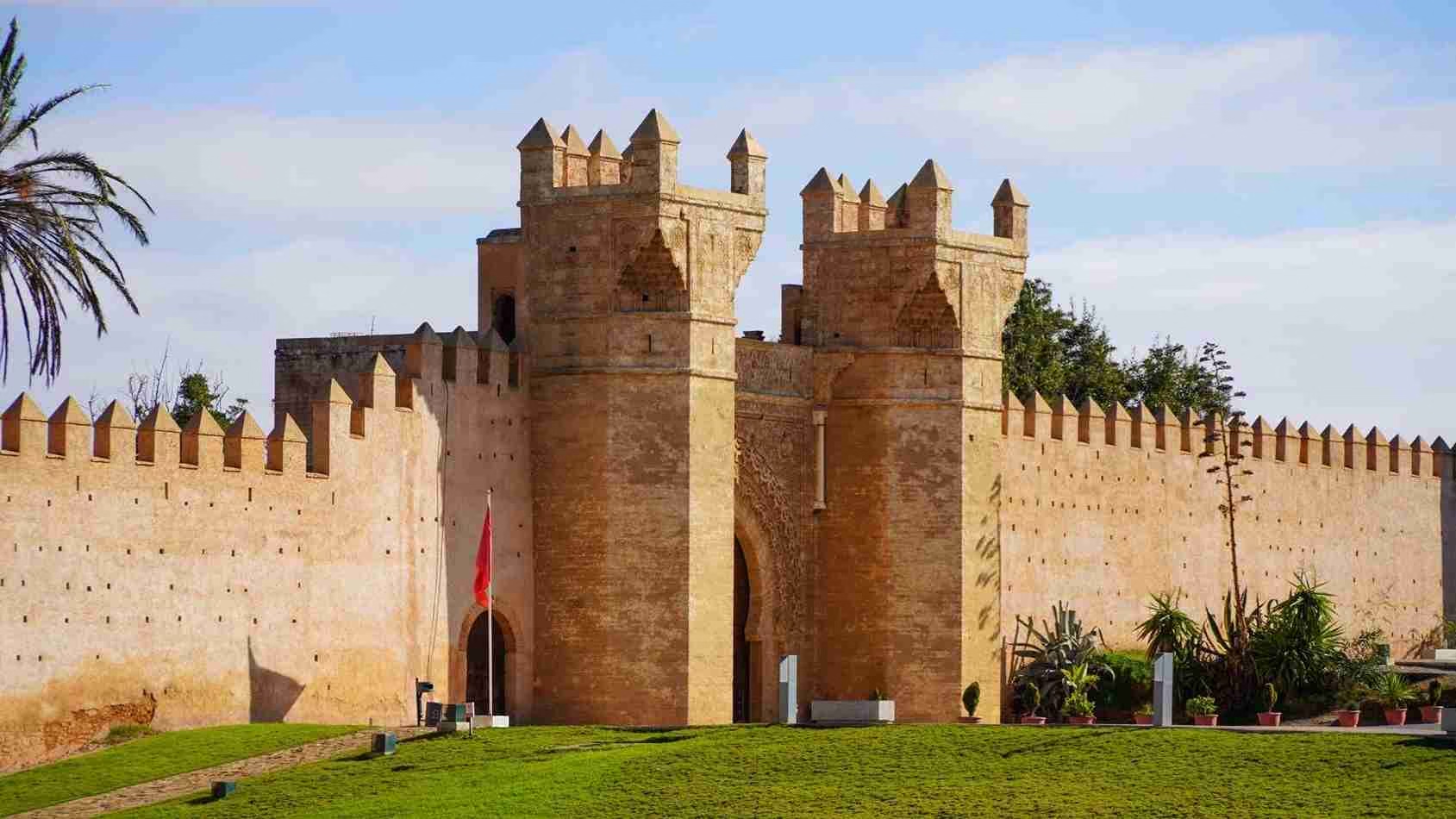
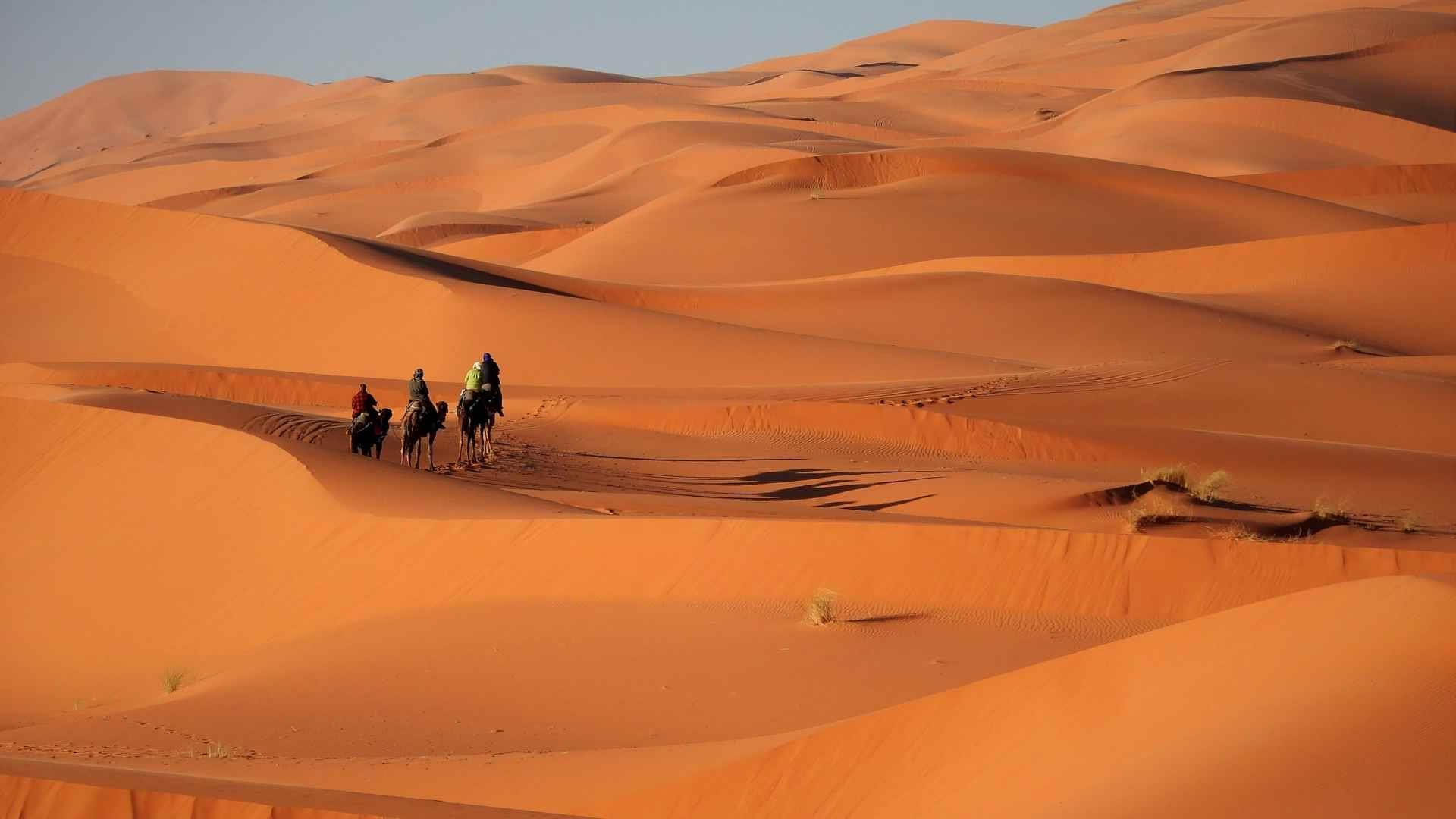
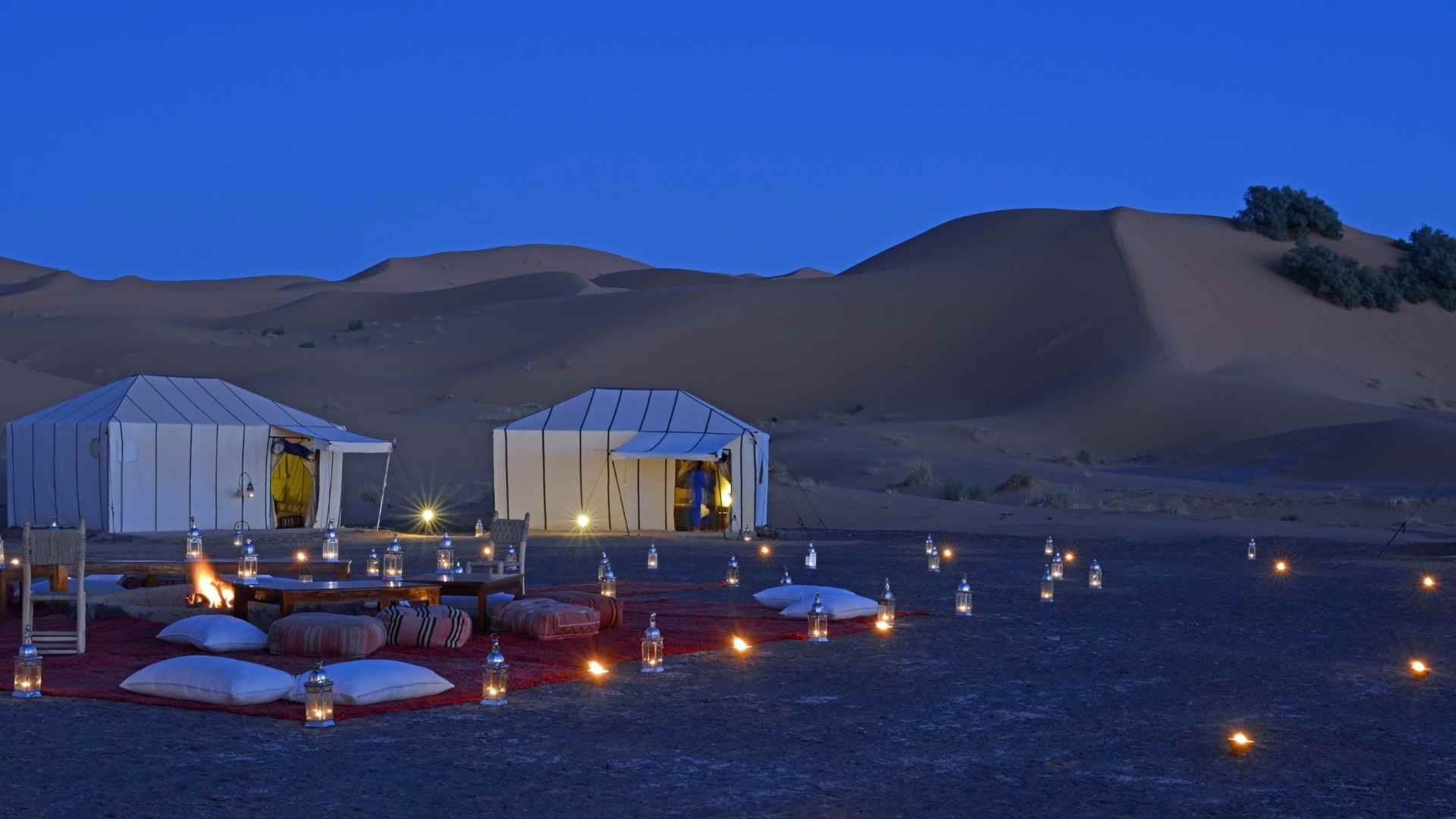
Which Fes Tour Fits You?
What you’re actually looking for, architecture, dunes, or both, matters more here than it does starting from most other cities.
Fes Itself, in a Day
The medina guided walk and the cooking class both stay inside the city, ideal if Fes is one stop on a longer trip rather than the main event.
The Sahara Experience
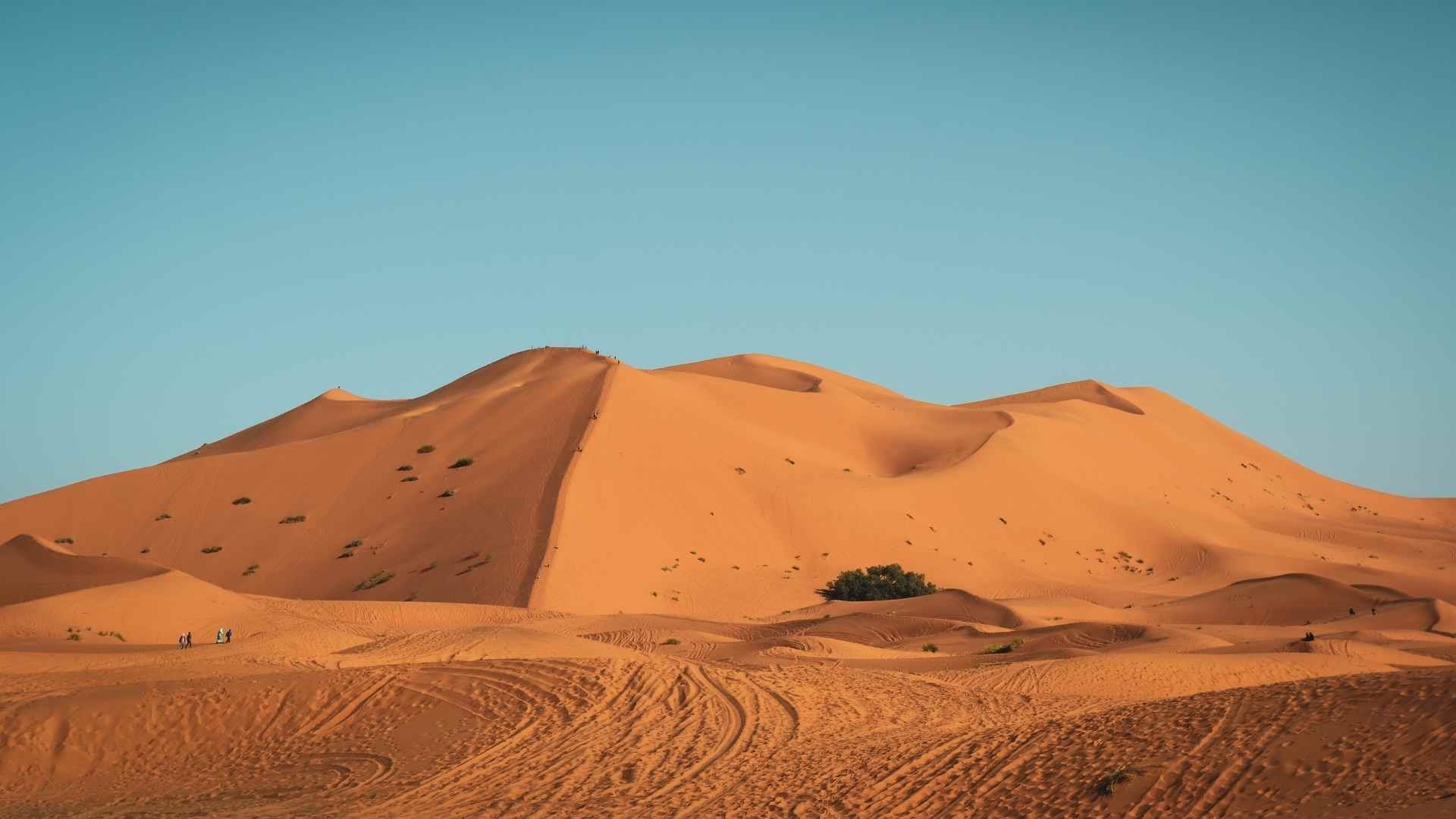
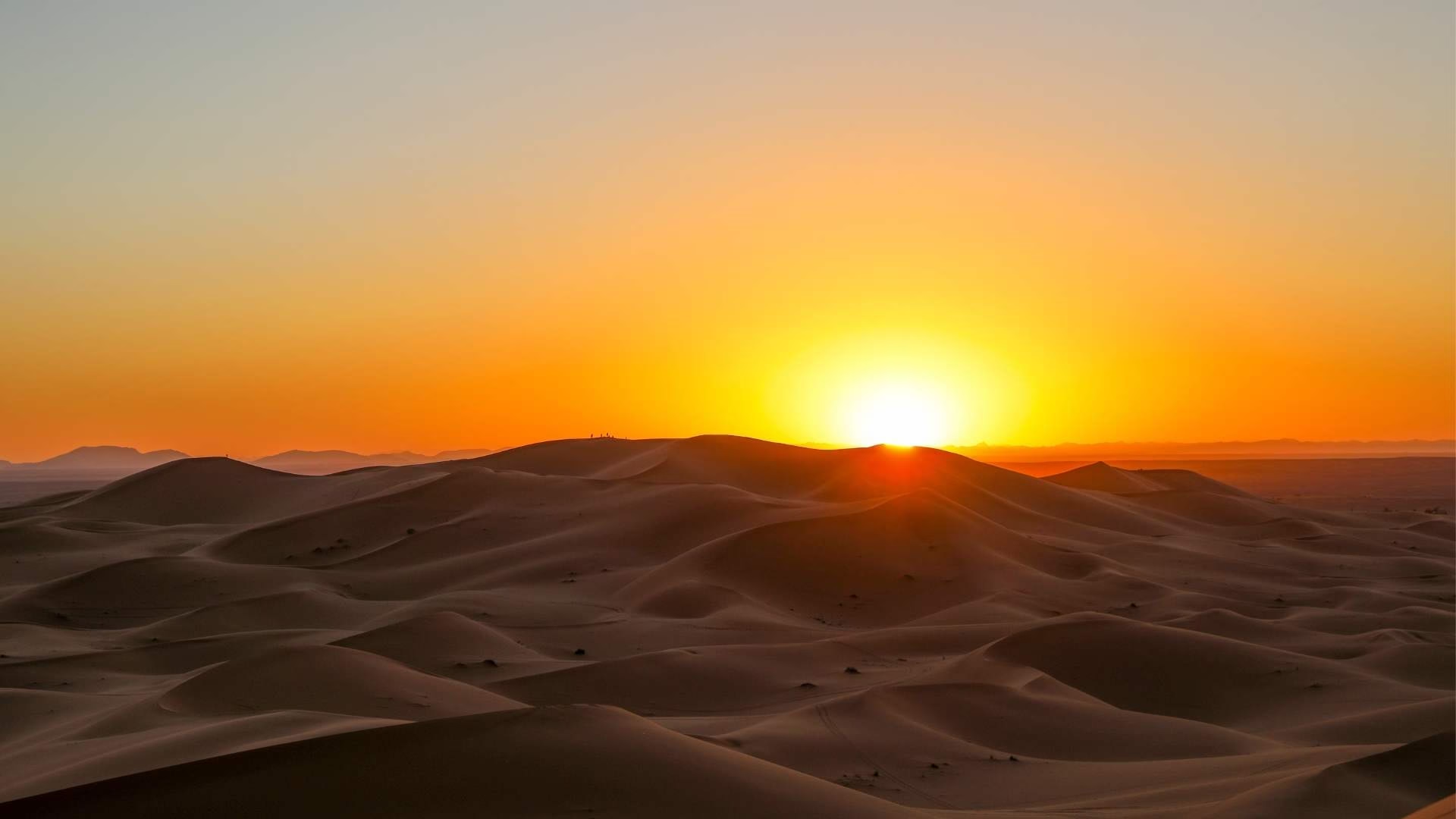
Merzouga sits closer to Fes than to almost any other major Moroccan city, so the two and three-day options reach real dunes without three days of driving first.
The Imperial Tour
Six days links Fes with Meknes, Rabat and the rest of the imperial cities, built for travelers more interested in architecture than camel treks.
South to the Sahara and Beyond
Five to seven days combines the desert nights with a finish in Marrakech or a loop through the south, the most complete version of the route.
Fes, the Spiritual City of Morocco
Fes was founded in the ninth century and held the title of Morocco’s capital on and off for the better part of a thousand years, longer than any other city in the country. At its center sits Fes el-Bali, the old walled city, home to the University of Al Quaraouiyine, recognized as one of the oldest institutions of higher learning still operating anywhere in the world, and to a medina so dense with workshops, mosques and merchant houses that it remains one of the largest car-free urban spaces on the planet.
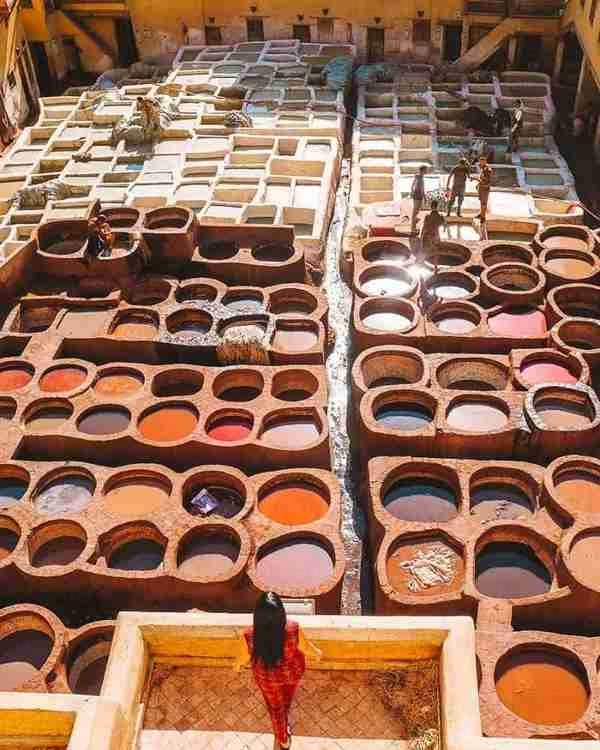
Most visitors split their time between the Chouara Tannery’s dye pits, the carved cedar and tilework of the Bou Inania Madrasa, and the souks pressed in between, before the road continues elsewhere. That’s the role Fes plays in most of the itineraries above too, a deep first chapter rather than the whole trip, with routes continuing toward Meknes and Rabat to the west, or south across the Middle Atlas toward Merzouga and the Sahara, often finishing in Marrakech.
When to Go & What to Pack
Best Time to Visit Fes for Your Morocco Tour
Because Fes sits inland near the Middle Atlas Mountains, its climate shifts much more dramatically than coastal hubs like Tangier or Casablanca. Summer runs hot and dry, with daytime peaks regularly exceeding 35°C and the stone alleys of the Fes Medina holding heat late into the evening. Winter brings the opposite extreme, as night temperatures plunge near 5°C and nearby mountain passes receive snowfall. Spring and autumn offer the ultimate travel balance: warm days, cooler nights, and the clearest natural light for photography at the Chouara Tannery. Aligning your trip with May or June also lets you experience the famous Fes Festival of World Sacred Music, or strategically schedule your route to avoid the peak travel crowds.
What to Pack for Your Fes and Desert Tour
Bring sturdy, comfortable walking shoes; the cobblestone lanes of the Fes Medina are highly uneven, and you will frequently step aside for active delivery donkeys and handcarts. A lightweight cotton scarf is indispensable, serving as sun protection in summer and a helpful buffer against the intense aromas near the traditional leather tanneries. Finally, if your route continues south, pack a dedicated layer of warm clothing for that specific leg, the seasonal climate in Fes gives little indication of just how drastically temperatures drop at a Sahara desert camp overnight durign winter.
Frequently Asked Questions
The questions travelers actually search before a trip that starts in Fes.
Do I need a guide to visit the Fes medina?
Not strictly, but most people end up glad they had one. Fes el-Bali has somewhere around nine thousand alleys, no cars, and a layout that wasn’t designed with maps in mind. A guide doesn’t just stop you from getting lost, they get you past the workshops and courtyards a phone screen would walk straight by.
Is Fes safe to visit?
Yes, with the same basics that apply to any old market town: keep an eye on your bag in the busiest stretches of the souk, and treat unsolicited offers of help with a little suspicion. Tourist police operate inside the medina itself, and serious incidents involving visitors are rare. The medina can feel intense well before it feels unsafe, which is a different thing.
Is Fes worth visiting if I’m short on time, or should I head straight for Marrakech?
If centuries-old architecture and a working medina matter to you, Fes earns the detour even on a tight schedule, a single day covers the highlights properly. If the dunes are the real priority and time is very limited, some travelers do skip ahead to Marrakech, though the route to the Sahara from Fes is actually shorter, which is part of why several itineraries above start here instead.
How do I get around the medina if there are no cars?
On foot, the same way everyone else does. Fes el-Bali is one of the largest car-free urban areas anywhere, so goods still move by handcart and donkey through the narrower lanes. It keeps the place feeling unchanged, but it also means comfortable shoes matter more here than almost anywhere else on a Morocco itinerary.
What’s the deal with the tannery smell, and is it still worth visiting?
The Chouara Tannery’s dye pits really do smell strongly, lime, pigeon droppings and raw hide are part of the traditional process, and most rooftop viewpoints hand out a sprig of mint to hold under your nose. It’s worth the few minutes regardless; the view over dozens of colored vats is one of the more recognizable images of the city for a reason.
How many days do I need in Fes before heading to the desert?
One full day covers the medina, the tanneries and the main madrasas at a reasonable pace. From there, the road to Merzouga is shorter than the route most Marrakech-based tours take, which is why a two-day express option exists alongside the longer three to five day versions.
Is Fes hotter or colder than Marrakech?
Both, depending on the season. Fes sits further from the coast and closer to the Middle Atlas, so summers run hot and dry with August regularly above 35°C, while winter nights drop cooler than Marrakech and occasionally bring a dusting of snow nearby in the mountains. Spring and autumn close the gap and suit both cities equally well.
Fes or Fez, which spelling is correct?
Both are used interchangeably in English. Fes is the official transliteration and what you’ll see on road signs and most modern maps, while Fez is the older, more common spelling in English-language travel writing.
Plan Your Trip from Fes
Tell us your dates, group size and how many days you have, and we’ll put together a route or adjust one of the itineraries above to fit. Starting from a different city instead? We also run tours from Marrakech, Casablanca, Tangier, Agadir and Ouarzazate.