
Rabat City: 2026 UNESCO World Book Capital
Drift across the Bouregreg in a traditional wooden boat as the Atlantic breeze carries the scent of salt and history through the Rabat city streets.
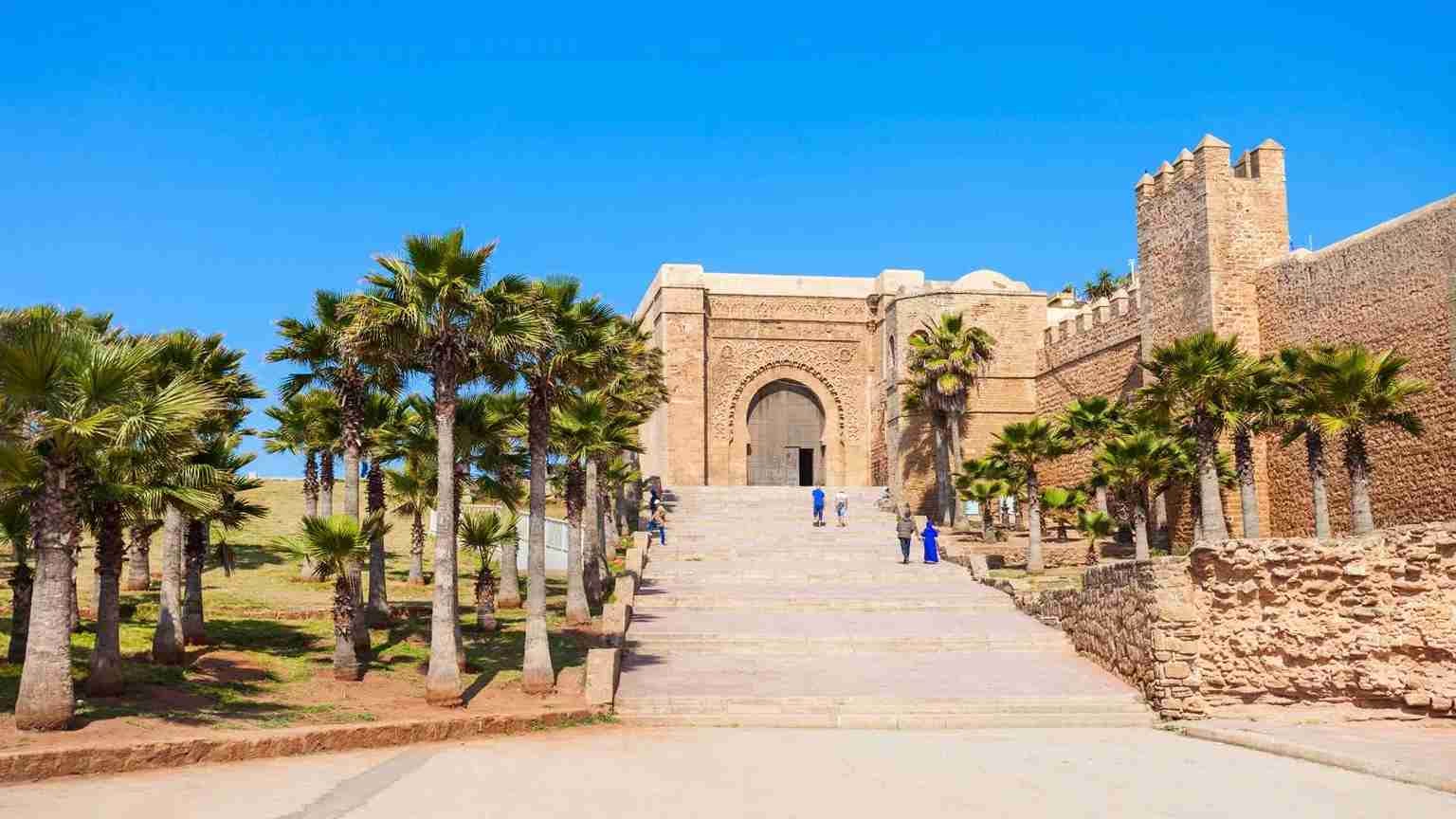
For decades, travelers bypassed the administrative heart of the Kingdom, rushing toward the intensity of the south. Today, the narrative has shifted. Rabat city has emerged as the definitive destination for those seeking the authentic, sophisticated pulse of modern Morocco. It is a place where the Atlantic tides dictate the rhythm, and the layered history, from Roman foundations to Almohad fortifications, is woven into the daily lives of its residents.
This isn’t a city that clamors for your attention. Instead, it invites you into its wide, palm-lined boulevards and quiet, blue-washed alleys. As we move through 2026, the appeal of this capital lies in its balance. It offers a rare tranquility in a country known for its vibrant energy, making it the perfect setting for a deeper, more thoughtful style of exploration.
Architectural Evolution: From Ancient Stones to Modern Visions
To walk through the center of Rabat city is to trace a timeline of architecture. The Hassan Tower stands as the proud, unfinished sentinel of the Almohad era, its red sandstone walls glowing under the coastal sun. Just steps away, the Mausoleum of Mohammed V showcases the absolute pinnacle of Moroccan craftsmanship, with its intricate zellij tiling and hand-carved cedar ceilings.
Yet, the skyline is changing. The Grand Theatre, a fluid masterpiece by Zaha Hadid, anchors the new riverfront development, signaling that Rabat city is unapologetically looking toward the future. This juxtaposition, of ancient minarets and futuristic white concrete, is what defines the current atmosphere of the capital. It is a city that preserves its past with profound respect, while building an infrastructure that supports a global, modern identity.
The Kasbah and Medina: A Coastal Oasis
The Kasbah of the Udayas provides the quintessential image of the capital. Its fortified white walls, accented with deep blue trim, offer a serene escape from the urban hum. Walking the narrow, winding paths here, you are often accompanied by nothing more than the sound of the Atlantic crashing against the cliffside below.
Unlike the high-pressure environments of other major Moroccan markets, the Medina of Rabat city feels like a neighborhood. Traders and artisans, particularly those lining the historic Rue des Consuls, operate with a calm dignity. Here, you find the finest floral-patterned rugs and delicate brassware without the need for aggressive negotiation. It is a space where the act of shopping becomes an opportunity for connection and cultural exchange.
Exploring the Chellah: A Sanctuary of Time
Hidden just behind the Almohad walls lies the Chellah, an evocative necropolis that serves as a physical representation of Morocco’s layered identity. Roman ruins, Merinid tombs, and wild, blooming gardens share the same space, punctuated by the rhythmic bill-clacking of storks nesting atop ancient minarets.
It is a site of immense tranquility and folklore. Whether you are exploring the Roman forum or sitting by the sacred eel pond, the atmosphere is heavy with the weight of centuries. It reminds every visitor that Rabat city has been a crossroads for civilizations for millennia, and its current rise is merely a continuation of a long and storied heritage.
Cultural Life and Coastal Sophistication
The Bouregreg Marina marks the boundary between Rabat city and its historical rival, Salé. This revitalized riverbank has become the city’s living room, filled with rowing clubs, sleek cafes, and promenades that stretch toward the ocean. Taking a traditional flouka boat across the estuary at sunset offers the best view of the historic walls reflecting off the water.
In the Ville Nouvelle, the intellectual spirit of the country thrives. Galleries like the Mohammed VI Museum of Modern and Contemporary Art showcase the creative energy fueling the capital’s growth. Couple this with a thriving cafe culture in the Agdal neighborhood, and you find a city that is as much about ideas and art as it is about history and landscape.
The Flavors of the Atlantic Coast
Dining in Rabat city is an exercise in elegance. While the street food stalls of the medina offer crispy seafood and warm pastries, the city’s real culinary soul is found in its traditional riads and modern bistros. The capital is famous for its refined B’stilla, a complex pie that balances savory saffron with sweet cinnamon, served in a way that feels lighter and more contemporary than its interior counterparts.
As the sun sets, the “corniche” comes alive. Families, students, and travelers alike walk along the water, enjoying the cooling breeze. This shared public life is the secret ingredient to the city’s charm. It is a place that prioritizes the human experience, ensuring that as it grows into a world-class destination, it never loses the warmth and hospitality that defines the Moroccan spirit.
Essential Insights
What is the best way to experience the city?
Dedicate at least three days. Combine slow mornings in the Medina with afternoons spent walking the coastal lighthouse promenade.
Is the capital family-friendly?
Yes. The city’s clean, wide walkways and abundant parks make it one of the most accessible and comfortable locations for families in Morocco.
How does the vibe differ from other cities?
While other cities may feel like a sensory assault, this capital offers a relaxed, sophisticated atmosphere that prioritizes quality of life over raw intensity.
More Stories from MBT
Plan Your Capital Journey
Interested in a curated experience of the coast and capital? Mohamed and our team are ready to design your perfect Moroccan itinerary.