
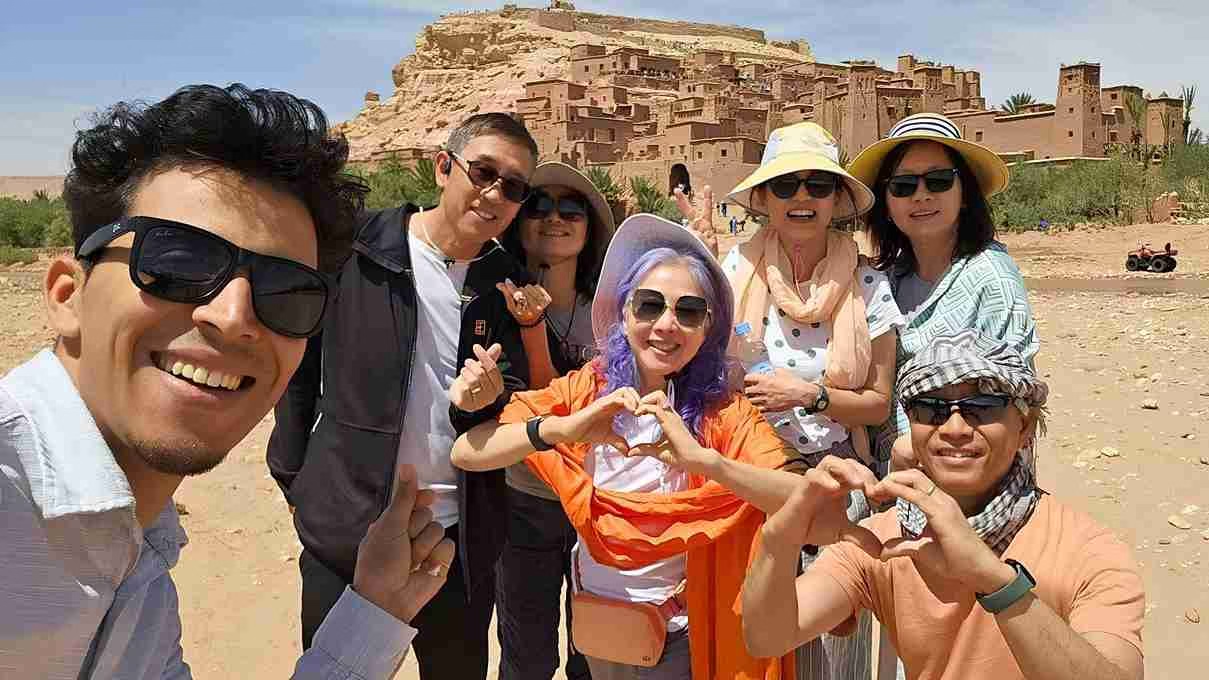
Morocco Tours For Seniors
Morocco is one of the most rewarding trips you can take at any stage of life, and also one of the most variable in terms of how demanding it becomes depending on how it is set up. The difference between a tiring, rushed circuit and a genuinely enjoyable trip is almost entirely in the planning: which city, how many hours of driving per day, what kind of accommodation, and whether there is someone you can actually reach if anything needs adjusting. This page covers all of that, honestly, before you decide anything.
Is Morocco A Good Destination For Senior Travelers?
Yes, with a clear-eyed look at what works well and what needs planning around.
What Works Particularly Well
- A private vehicle and driver for the full trip means no shared minibus schedule and no waiting on strangers
- Riads with central courtyards are genuinely comfortable bases, cooler than hotels in summer heat
- Moroccan culture rewards patience and conversation over rushing, which suits a slower pace naturally
- Casablanca, Rabat and Ouarzazate are considerably flatter and more manageable than the older medinas
- The Sahara experience, including the camel ride, camp dinner and stars, is genuinely accessible with the right arrangement
- Spring and autumn temperatures of 18 to 25°C are ideal for extended outdoor time without heat pressure
What Needs Planning Around
- The ancient medinas of Fes and Marrakech have uneven cobblestone lanes, genuinely challenging with reduced mobility
- Most traditional riads involve stairs; ground-floor rooms must be specifically requested at the time of booking
- The standard 3-day desert route involves long driving days; splitting into 4 or 5 days changes the experience completely
- July and August inland regularly pass 38°C, which is genuinely draining rather than manageable for most travelers
- Bring a sufficient supply of any regular medication; pharmacies are well-stocked in cities but unpredictable in smaller towns
What A Senior-Designed Tour Actually Means
Not a badge applied to the same route everyone else gets, but a different set of decisions at every stage of planning.
Air-Conditioned Private Vehicle
Your own vehicle for the full trip. No fixed schedule shared with strangers, and stops whenever you want them. Longer drives are split across extra days on senior-paced routes.
Accommodation Selected For Comfort
Riads and hotels chosen for actual accessibility: ground-floor rooms on request, elevator access where it exists, quality mattresses, and no budget properties on this list.
Flexible Daily Schedules
Late starts when you need them. Extra time at sites that interest you. A quiet afternoon built into most days rather than back-to-back sightseeing from 8am until dark.
Direct Contact Throughout
Your driver-guide’s WhatsApp number and our direct line, not a routed support ticket. If anything needs adjusting, one message reaches someone who actually knows your route.
Dietary Needs Communicated In Advance
Every riad, hotel and desert camp on the route is told about dietary requirements before you arrive, not at the dinner table on the first evening.
Honest Pre-Trip Information
We tell you in advance which lanes are rough, where the stairs are, and which sites involve significant walking, so there are no surprises once you are on the ground.
Morocco’s Best Destinations For Senior Travelers
Ranked honestly by how accessible each one is, not just how photogenic.
Rabat & Casablanca
Wide, largely flat streets in the areas visitors actually use, modern infrastructure, and none of the narrow-medina intensity of Fes or Marrakech. Frequently underrated as a starting point and genuinely comfortable for any level of mobility.
Essaouira
A compact medina that is flatter and less maze-like than Marrakech or Fes. The Atlantic wind keeps temperatures noticeably lower than inland, and the town’s pace matches a relaxed itinerary naturally.
Marrakech
The main square and the Mellah are manageable; the deeper medina lanes are not. A guide who knows which routes to take makes the difference between an exhausting morning and an enjoyable one. Jemaa el-Fnaa in the early evening is genuinely relaxed and flat.
Ouarzazate & Ait Ben Haddou
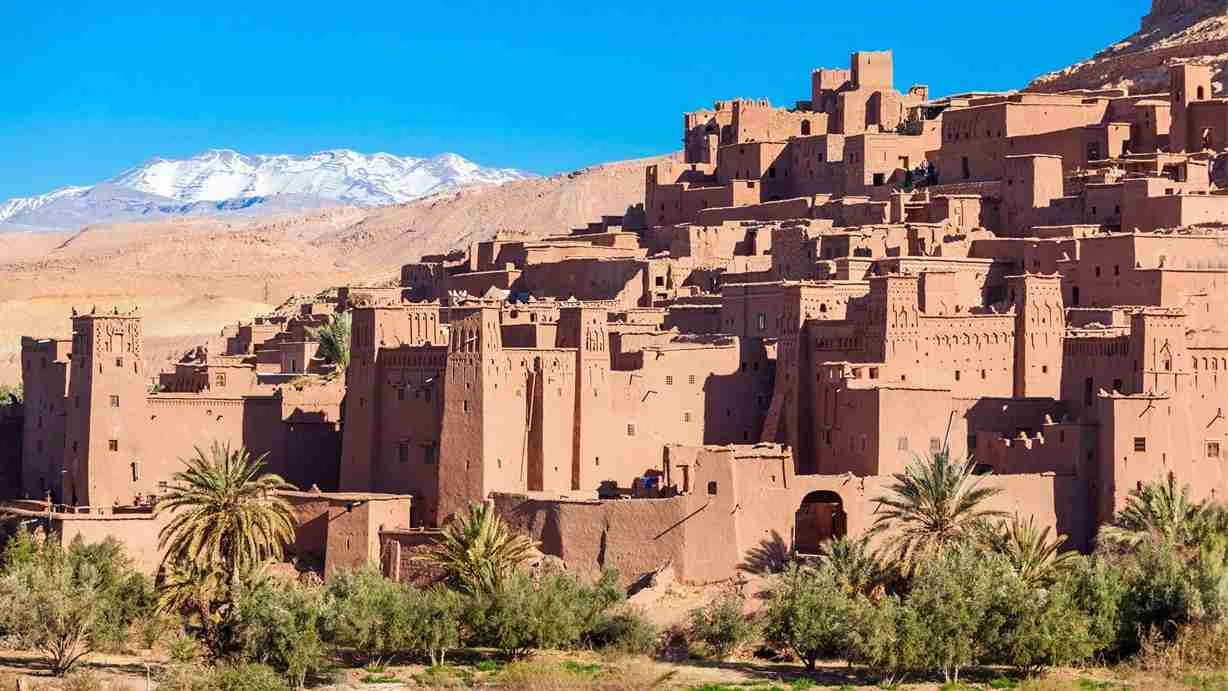
Good roads, relatively flat terrain around the main sites, and a lower altitude than the mountain passes north of here. Ait Ben Haddou involves a hillside walk that can be taken at any pace with no time pressure.
Fes
The most rewarding medina in Morocco and also the most demanding. The terrain drops steeply, the lanes are narrow, the paving is uneven, and it requires reasonable mobility to move through comfortably. A guide is essential; mornings are far better than afternoons.
The Sahara Desert, Merzouga
More accessible than most people assume. The camel ride, around 40 minutes, can be replaced entirely with a 4×4 transfer directly to the camp. Luxury camps at Erg Chebbi have flat sand paths between tents, proper beds, and private bathrooms with no challenging terrain inside the camp.
Tours That Work Well For Senior Travelers
Shorter driving days, comfort-first routing, and the flexibility to adjust anything along the way.
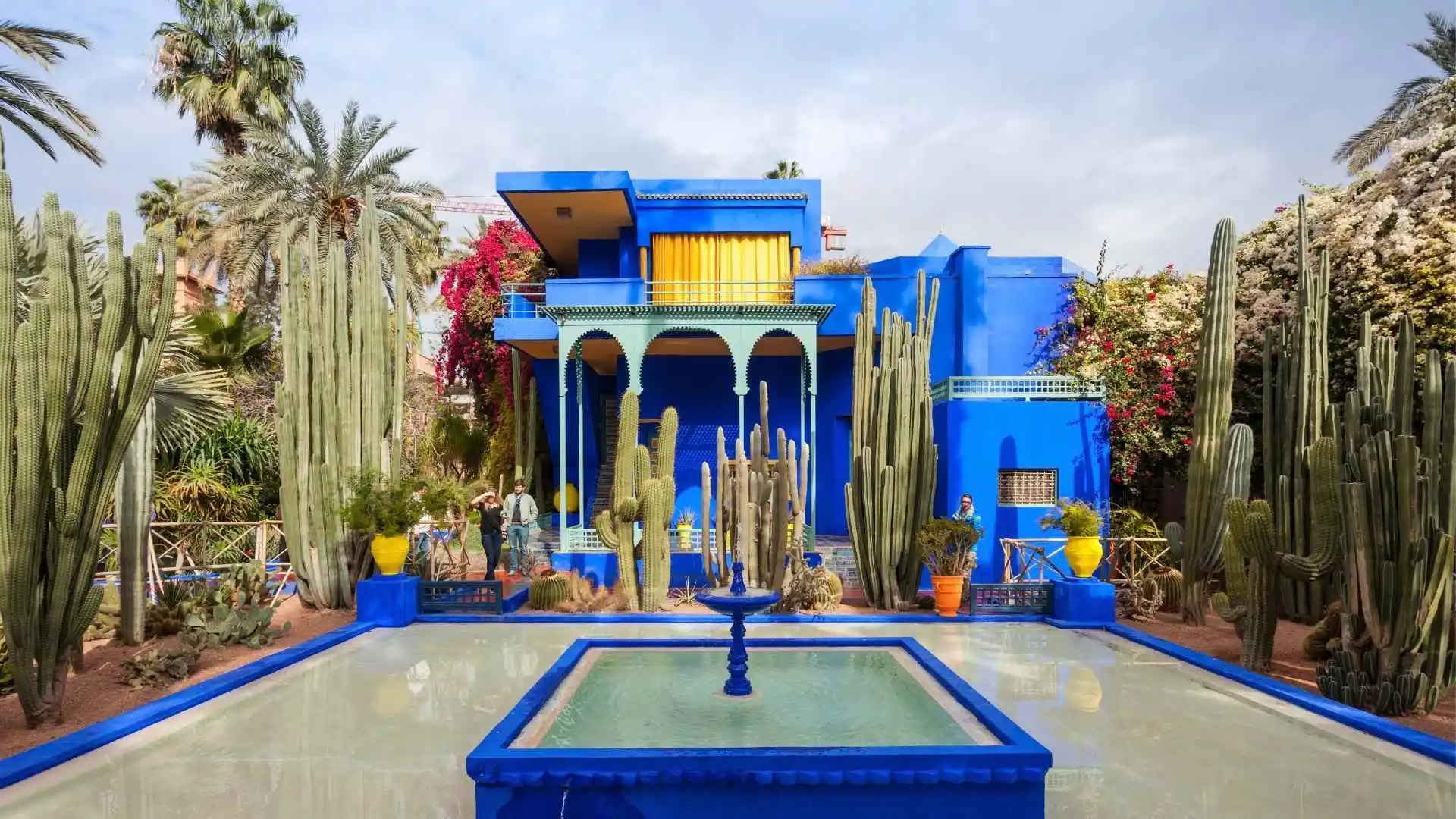
5 Days in Marrakech Tour
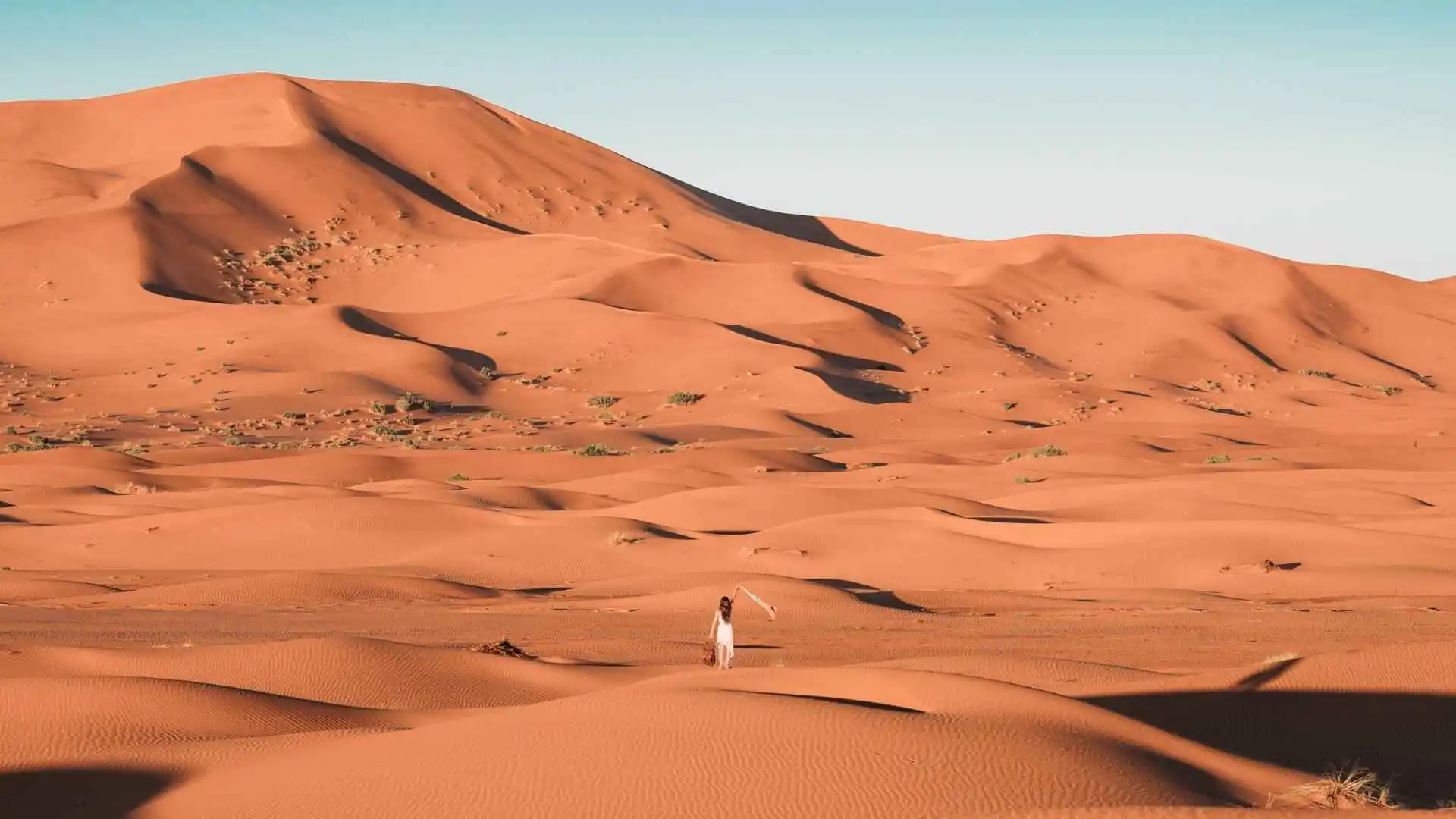
Private Sahara Desert Tour, 5 Days
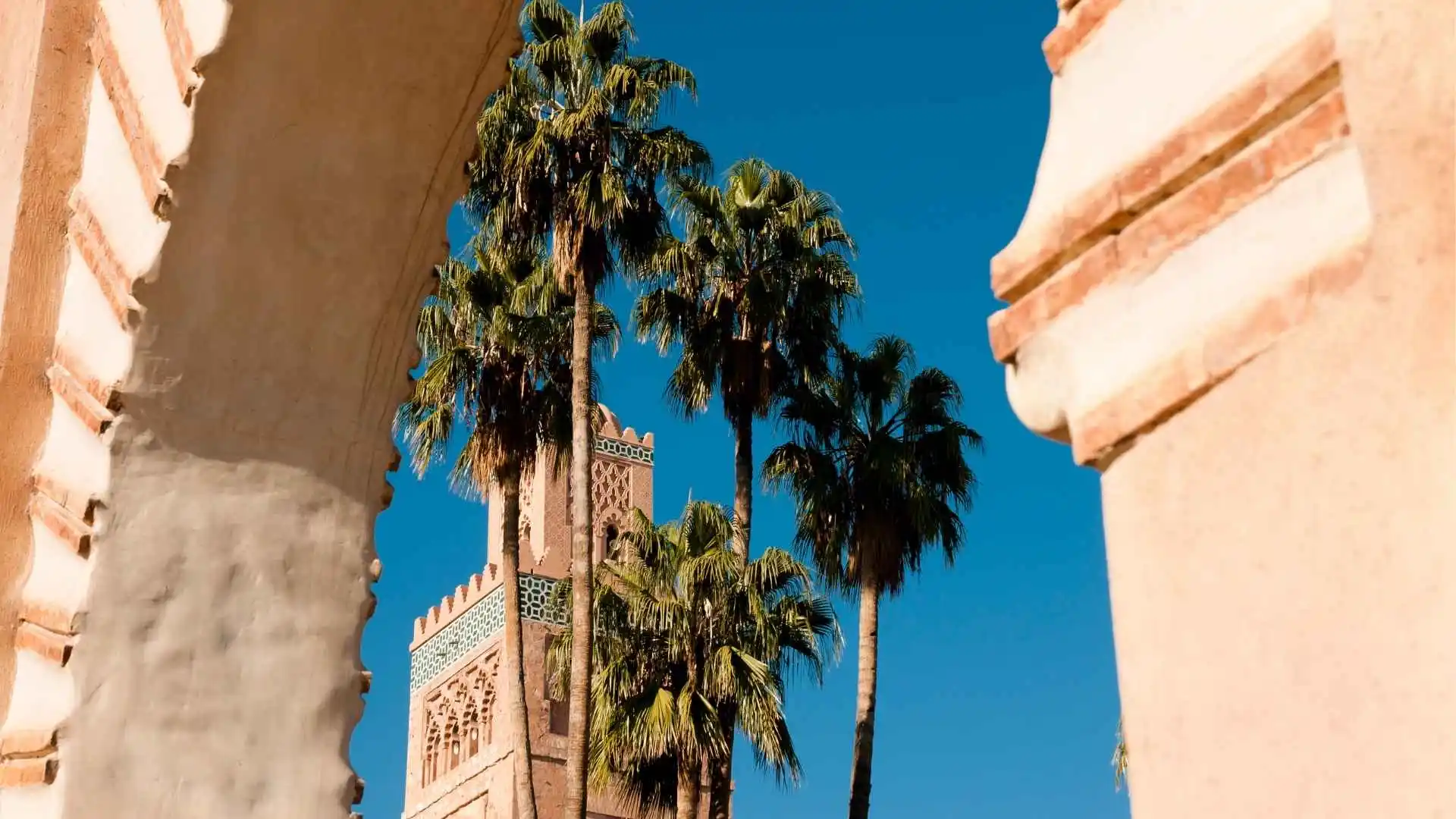
Kasbahs, Gorges & Sahara Private Tour
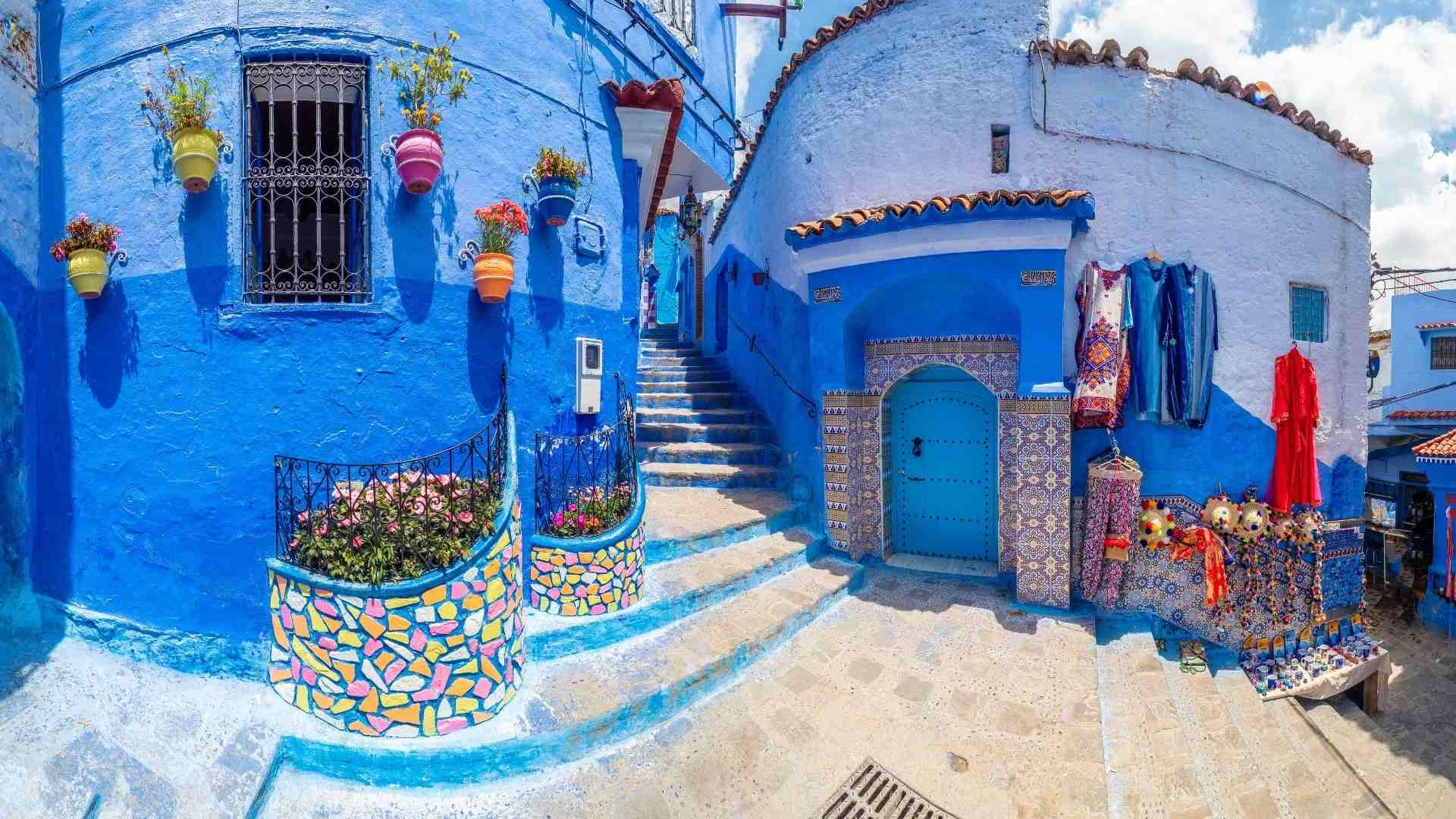
Tangier To Marrakech Private Desert Tour
Best of Morocco Private Tour, 10 Days
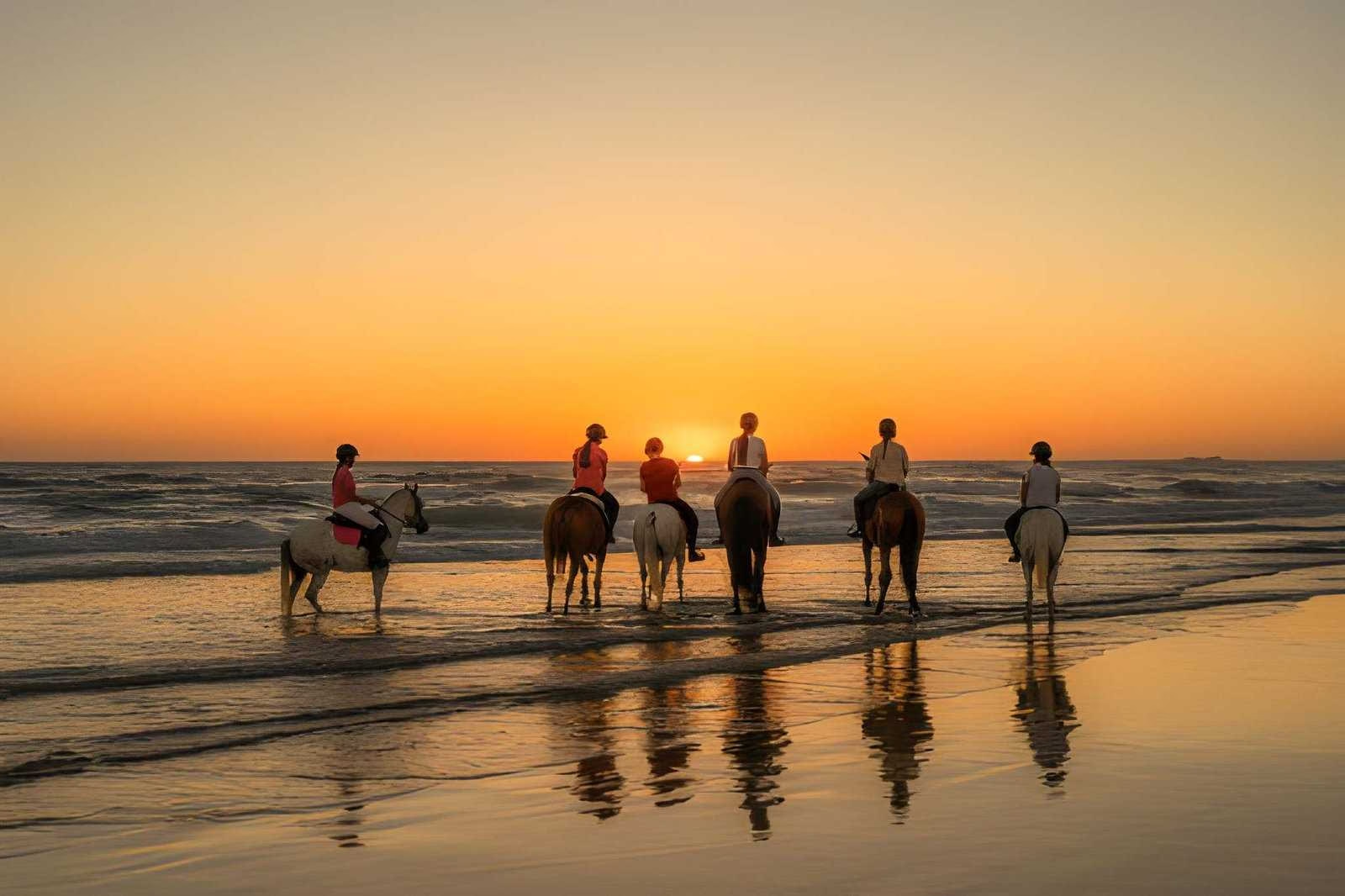
Atlantic Coast & Sahara Desert Tour, 11 Days
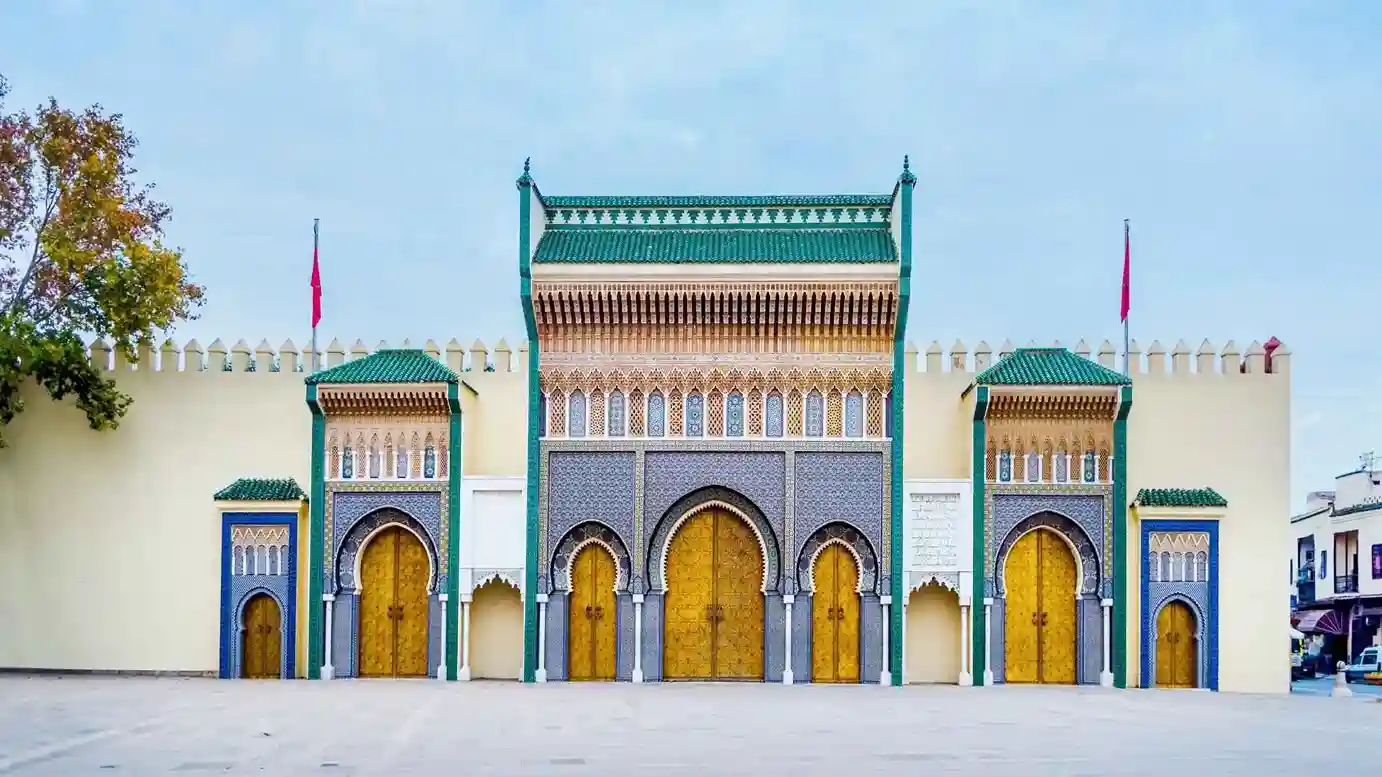
Morocco Imperial Heritage & Desert Tour
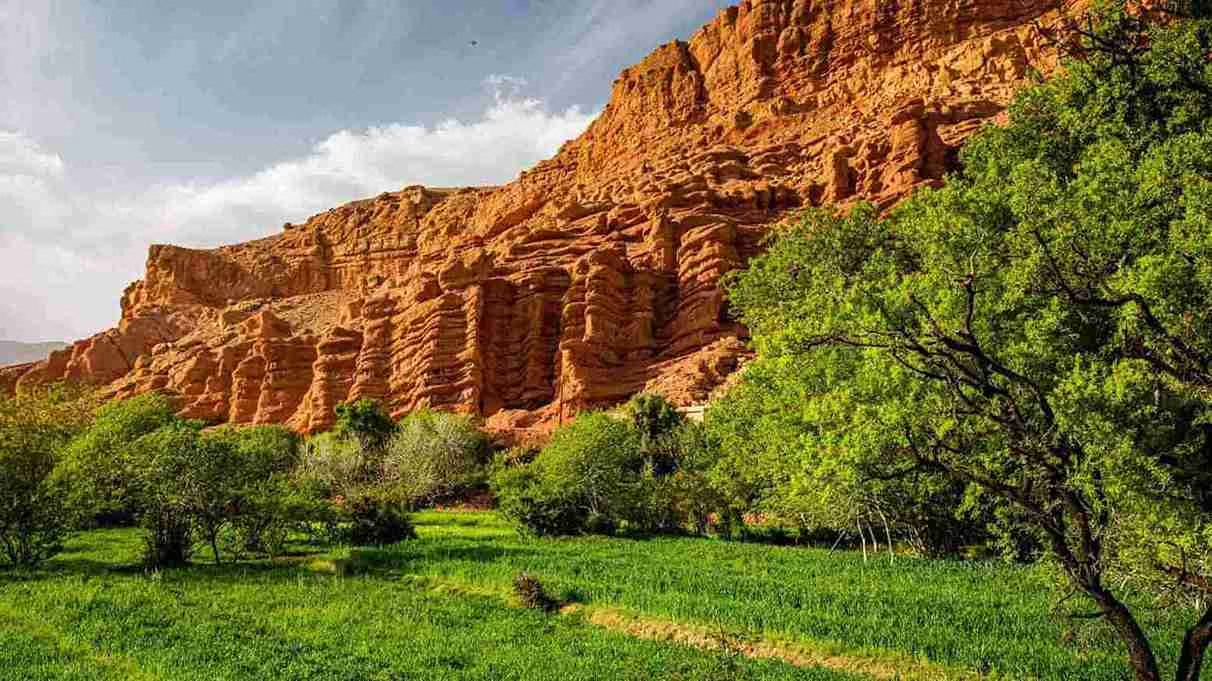
Complete Morocco Private Tour, 14 Days
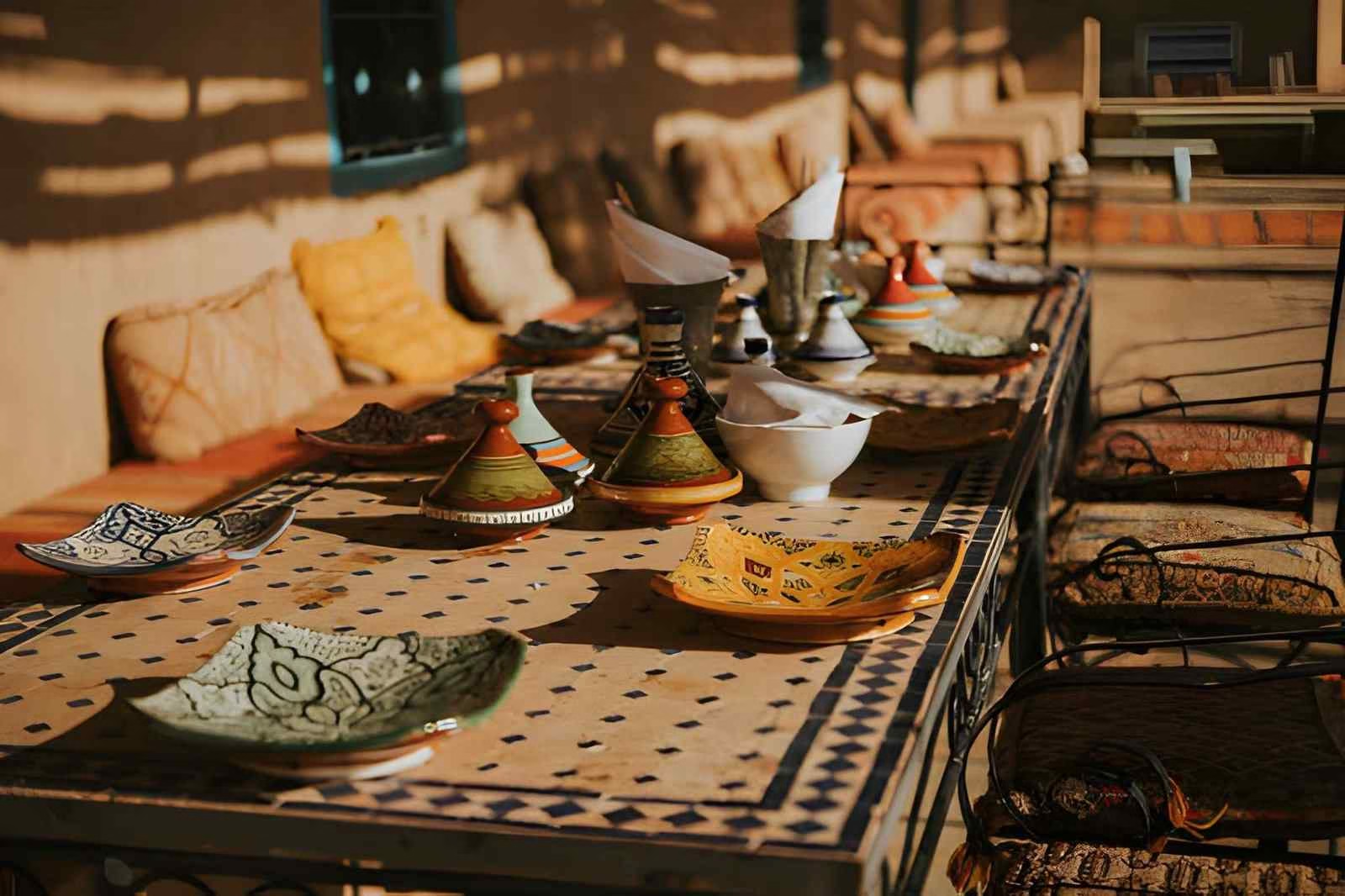
Morocco Cultural Discovery Tour, 15 Days
Design Your Own Private Itinerary
Plan A Custom TripPractical Guide For Senior Travelers
Best Months To Travel
March through May and September through November. Temperatures across the route stay between 18 and 26°C in those windows, which is genuinely comfortable for extended walking and outdoor time. July and August inland regularly pass 38°C and are the one period we actively advise against for senior travelers.
What To Pack
Comfortable, cushioned walking shoes with good grip, the cobblestones in older medinas are genuinely uneven. Loose, light layers that adjust to indoor air conditioning and outdoor warmth. A small day bag rather than a large backpack. Any regular medication in a supply that goes well beyond your planned trip length.
Medical Facilities
Pharmacies are well-stocked and common in every city on the standard route, and pharmacists generally speak French and often some English. Larger cities have private clinics and international hospitals. Travel insurance with medical evacuation coverage is something we recommend to every traveler, and more so for longer trips.
Mobility Considerations
Walking sticks handle Morocco’s terrain well. Wheelchairs work in newer parts of cities and inside most riads and hotels with ground-floor access, but are genuinely difficult in the ancient medina lanes. Let us know your situation before we confirm any itinerary and we will route around the problematic sections.
What Senior Travelers Actually Ask
The questions that come up most often before booking, answered with the detail they deserve.
Is Morocco safe for senior travelers?
Generally yes. Morocco is a stable country with a well-established tourism infrastructure. Private tour travelers on a set itinerary with a named driver are in a considerably more controlled situation than independent travelers. The common medina pressures that appear in negative reviews are largely avoided when you have a guide with you, which is standard across our routes.
How much walking is involved on a typical Morocco tour?
A full medina visit typically involves two to three hours on foot, mostly on uneven stone. Our senior-paced itineraries split this into a morning section and a late-afternoon section with a proper rest in between. Essaouira, Casablanca and the Sahara involve far less demanding walking than the older imperial-city medinas.
Can I experience the Sahara desert with limited mobility?
Yes, with the right arrangement. The camel ride, usually 30 to 45 minutes, can be replaced with a 4×4 vehicle directly to the camp without losing anything that matters about the experience. Genuine luxury camps at Erg Chebbi have flat sand paths between tents, proper beds, and private bathrooms with no terrain challenges inside the camp perimeter.
What is a riad, and is it suitable for seniors?
A riad is a traditional Moroccan house with an enclosed courtyard, converted into a guesthouse. Most involve at least one flight of stairs to reach upper rooms. Ground-floor rooms around the courtyard exist in many properties but not all. We request ground-floor rooms specifically when booking for senior travelers and confirm it before finalising any itinerary.
How many hours of driving per day on a Morocco tour?
On a standard 3-day desert route, the first and third days involve six to seven hours of driving each. On our senior-paced version, those same two days are split across four shorter days instead, keeping time in the vehicle to around three to four hours per day with proper stops in between.
Can dietary requirements be accommodated throughout Morocco?
Yes. Moroccan cuisine is naturally varied and accommodates vegetarian, low-sodium, gluten-free and most other requirements without difficulty, provided every property on the route knows in advance. We communicate all dietary needs before you arrive at each stop.
What is the best time of year for senior travelers to visit Morocco?
March through May and September through November. These windows offer temperatures of 18 to 26°C, manageable crowds and good light. We specifically advise against July and August on inland routes, where sustained heat above 38°C is genuinely draining rather than merely warm.
Is a private tour worth the extra cost for seniors?
For most senior travelers, yes. The flexibility to stop when you need to, the ability to adjust start times and pace on the day, and the direct line to one person who knows your entire itinerary are not things that cost much more for a couple than a group tour does per person, and they make a material difference to how the trip actually feels.
Tell Us About Your Trip
Tell us your travel dates, who is coming, and any mobility or health considerations worth knowing about, and we will suggest a route that is genuinely right for your situation rather than a standard itinerary with “senior-friendly” added to the title.