
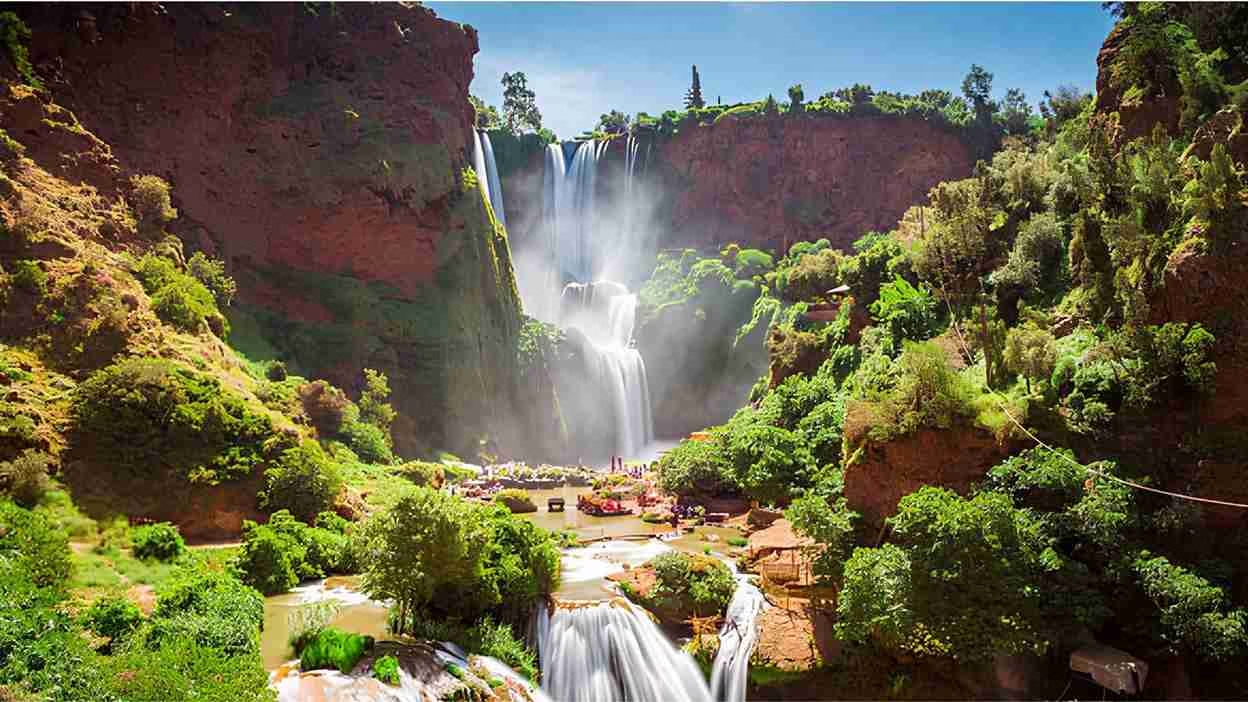
Ouzoud Falls
Ouzoud’s name comes from the Tamazight word for olive, and the silver-leafed groves that gave it that name still cover the slopes leading down to the falls. None of that prepares you for the drop itself: 110 metres of the El Abid River falling in three tiers into a red-rock gorge, tall enough to rank as North Africa’s highest waterfall. Wild Barbary macaques, an endangered species found almost nowhere else with this much ease of viewing, move through the olive trees along the descent path without much concern for the people walking past them, and for a couple of hours around midday, the spray catches the sun and throws a rainbow across the whole canyon.
A Waterfall With Its Own Wildlife And Its Own Economy
The El Abid River drops 110 metres here in three distinct tiers, cutting through red limestone cliffs on its way down into a gorge lined with olive trees, the same trees that gave the falls their name; Ouzoud means olive in Tamazight, the local Amazigh language. That makes it the tallest waterfall in North Africa, and one of the more dramatic anywhere on the continent, a single drop of 75 metres accounting for most of the height on its own. The river keeps flowing year-round, though its force varies sharply by season, swollen and thunderous after winter snowmelt in spring, noticeably quieter by late summer in dry years.
What sets Ouzoud apart from most waterfalls anywhere is what lives in the trees around it. An estimated 300 Barbary macaques, an endangered primate species found only in Morocco and Algeria and nowhere else on Earth, occupy the gorge in stable troops, largely undisturbed by decades of foot traffic on the descent path. They’re genuinely wild, not captive or fenced, and genuinely comfortable around people, which makes Ouzoud one of the only places in the country where a close, unstaged wildlife encounter is part of an ordinary visit rather than something arranged specially.
The water has done more than carve a gorge. For generations, Berber families built small mills directly into the cliff walls along the descent, using the river’s force to grind olives into oil and, in some cases, grain into flour. Several of those structures still stand, half-collapsed in places, pointed out by guides who know which channels in the rock were cut for that purpose. Tourism has since become the area’s main income, restaurants built directly into the clifftop now look straight onto the upper tier of the falls, but the old water-powered economy that gave the place its name hasn’t entirely disappeared.
Macaque etiquette: keeping food sealed in a bag rather than visible is the single most useful piece of advice here; the monkeys aren’t dangerous, but they are quick, and feeding them keeps them dependent on the trail rather than the forest. Most visitors come as a day trip from Marrakech, about three hours away, though staying overnight near the falls means seeing them without the midday crowds.
What To Do At Ouzoud Falls
Six ways to spend a few hours here, from an easy clifftop lunch to getting genuinely soaked at the base.
Walk Down To The Base
A path through olive groves descends from the village to the river, passing several viewpoints along the way. It’s the most direct way to feel the full scale of the falls, though the climb back up is steeper than it looks from the top.
Spot The Barbary Macaques
A resident troop typically occupies the middle stretch of the descent path, largely unbothered by passing visitors. Watching from a respectful distance, without offering food, is both the safest and the most responsible way to see them.
Take A Boat To The Base Of The Falls
Small wooden boats row out toward the main cascade for a close-up view few trails can match. Expect to get genuinely wet from the spray; it’s part of the experience, not a mishap.
Swim In The Plunge Pools
Natural pools at the base stay cool even in summer heat, with calmer water near the edges and a stronger current closer to the falls themselves. It’s the most popular cooldown on a hot day trip.
Eat Lunch On A Clifftop Terrace
Restaurants built right into the upper cliff edge look straight onto the falls while you eat, an unusual setting for a fairly ordinary tagine. Reservations aren’t generally necessary outside peak midday hours.
Visit The Old Olive Mills
Channels cut into the gorge walls once powered small mills that pressed olives into oil using the river’s force. A few structures remain, pointed out along the descent by guides who know exactly where to look.
Tours That Visit Ouzoud Falls
Itineraries below all include Ouzoud Falls, whether as a standard day trip or built around the boat ride and hike.


Planning Your Visit
Best Time To Go
Spring, March through May, brings the strongest water flow after winter snowmelt and the greenest surrounding hills. Summer keeps the falls swimmable but draws the largest crowds; autumn and winter are quieter, with water volume that can drop noticeably in dry years.
Getting To Ouzoud Falls
About 150 kilometres and two and a half to three hours from Marrakech via the N8 road, paved the entire way with no 4×4 required. Most visitors go as a guided day trip rather than self-drive, since the return adds up to five hours of driving in a single day.
Getting Around
The main path from the village to the base takes twenty to thirty minutes down at a relaxed pace, longer back up. The route isn’t wheelchair accessible, and sturdy shoes matter more than the short distance suggests, since the steps and dirt paths get slippery near the spray.
What To Wear & Bring
Closed shoes with grip, cash for boat rides and lunch since cards aren’t widely accepted on-site, and a bag that zips closed rather than one with food visibly poking out, given the macaques’ reputation for opportunistic grabbing.
Frequently Asked Questions About Ouzoud Falls
What travelers actually search before adding Ouzoud Falls to a Morocco itinerary.
Is Ouzoud Falls worth visiting?
Yes, consistently rated among Morocco’s best day trips from Marrakech. The combination of genuine height, wild and approachable monkeys, and a boat ride that gets you directly under the cascade is hard to match elsewhere in the country.
How tall are the Ouzoud Falls?
About 110 metres across three tiers, with the largest single drop accounting for roughly 75 metres of that. It’s considered the tallest waterfall in North Africa.
Are the Barbary macaques at Ouzoud dangerous?
No, they’re not aggressive, but they are quick and opportunistic around food. The standard advice is to keep snacks zipped away rather than visible, since a monkey reaching for a sandwich is more startling than dangerous.
Can you swim at Ouzoud Falls?
Yes, in natural pools at the base, best from May through September when the water warms up enough to be comfortable. Stay away from the strongest current directly beneath the main cascade.
How long does it take to visit Ouzoud Falls from Marrakech?
The drive alone runs two and a half to three hours each way, so most day trips run a full five to six hours round trip plus two to four hours at the falls themselves.
What does “Ouzoud” actually mean?
Olive, in Tamazight, the local Amazigh language. The name refers to the olive groves that still cover the slopes leading down to the falls.
Do you need a guide to visit Ouzoud Falls?
No, the main paths are well marked and manageable independently. A guide adds value mainly for spotting the old olive mills, explaining the macaques’ behaviour, and arranging transport from Marrakech.
What’s the best time of day to see the rainbow at Ouzoud Falls?
Roughly late morning to early afternoon, when the sun sits at the right angle to catch the spray. Arriving by mid-morning gives the best chance of seeing it before midday crowds build.
Plan Your Visit To Ouzoud Falls
Tell us your dates and whether you’d like the boat ride and a swim included, and we’ll build a day trip or a longer route around Ouzoud Falls. Continuing on from here? We also cover Marrakech, about three hours away, and the Atlas Mountains further south.