
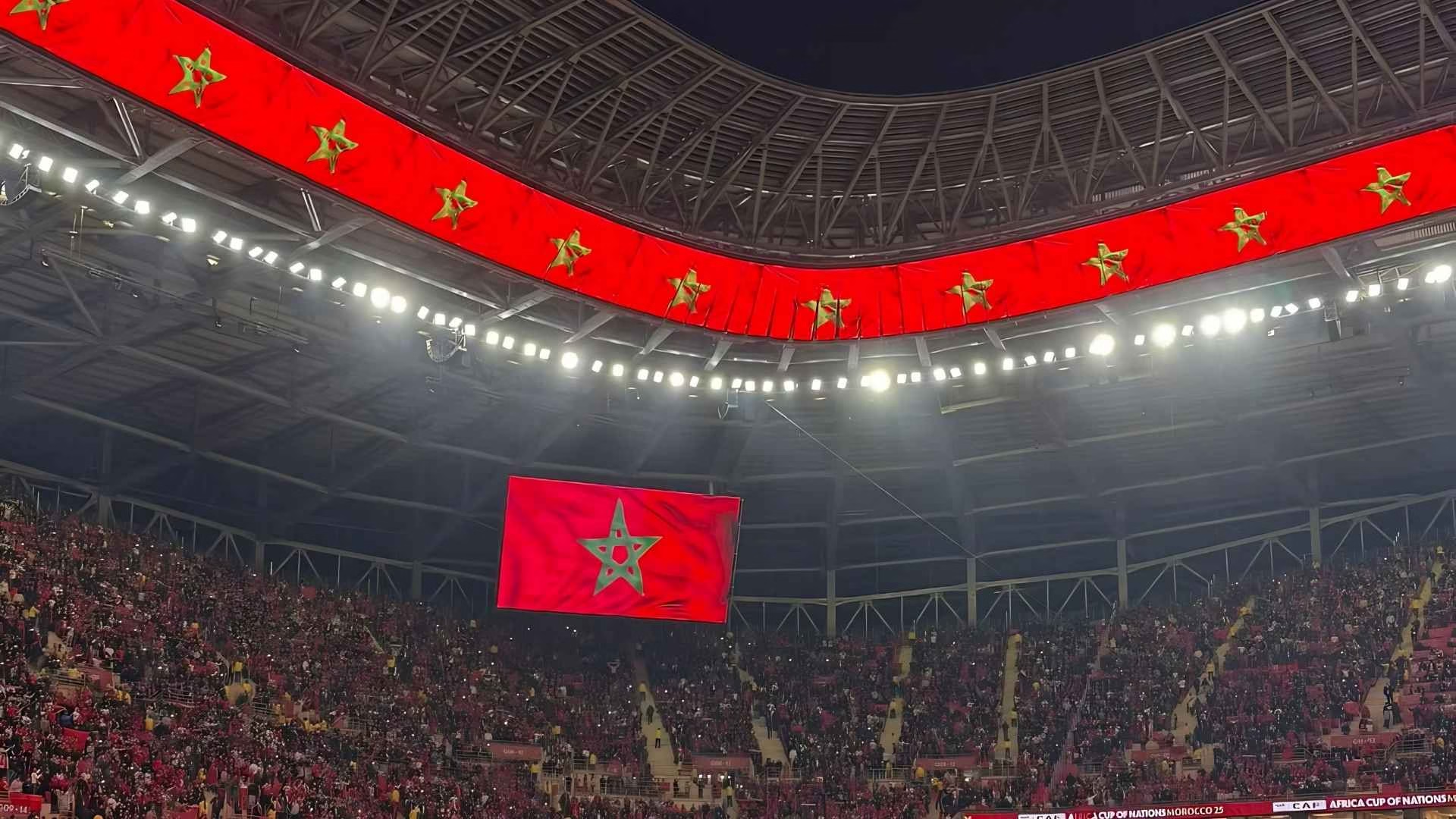
Morocco 2030 World Cup
In 2030, the FIFA World Cup comes to Morocco for the first time in history. Six Moroccan cities will host matches across a tournament that spans two continents, marks the hundredth anniversary of the first 1930 World Cup, and brings the Atlas Lions home to play on their own soil. This is the complete guide to planning your trip.
Four Reasons This Is Not A Typical World Cup
The First Ever In North Africa
Morocco is the first North African country to host the World Cup. Africa’s only previous tournament was South Africa in 2010. For a continent that has produced some of football’s finest players and most devoted supporters across its entire history, 2030 carries a weight that goes considerably beyond the sport itself.
The First Across Two Continents
Matches played in Africa and Europe, connected by the Strait of Gibraltar, just 14 kilometres of water between Tarifa in Spain and Tangier in Morocco. Fans crossing that strait to attend a World Cup match will experience something genuinely without precedent in the tournament’s hundred-year history.
Morocco’s Own Story
At Qatar 2022, the Atlas Lions defeated Spain on penalties, then Portugal in the quarterfinals, eliminating both of their 2030 co-hosts on the way to the semifinal, the furthest any African or Arab team has ever reached. The image of Moroccan players in prayer on the Lusail pitch became one of the defining photographs of that tournament. In 2030, Morocco plays this tournament on home soil.
The Centenary
In 1930, Uruguay hosted and won the first FIFA World Cup at the Estadio Centenario in Montevideo. One hundred years on, three opening centenary matches will be held in Uruguay, Argentina and Paraguay before the main tournament begins, a deliberate structural link between the first and the hundredth edition of the same competition.
Morocco’s 6 World Cup Host Cities
All six cities hosted the Africa Cup of Nations in December 2025 and January 2026, a full operational rehearsal for stadiums, transport and security infrastructure being put in place for 2030.
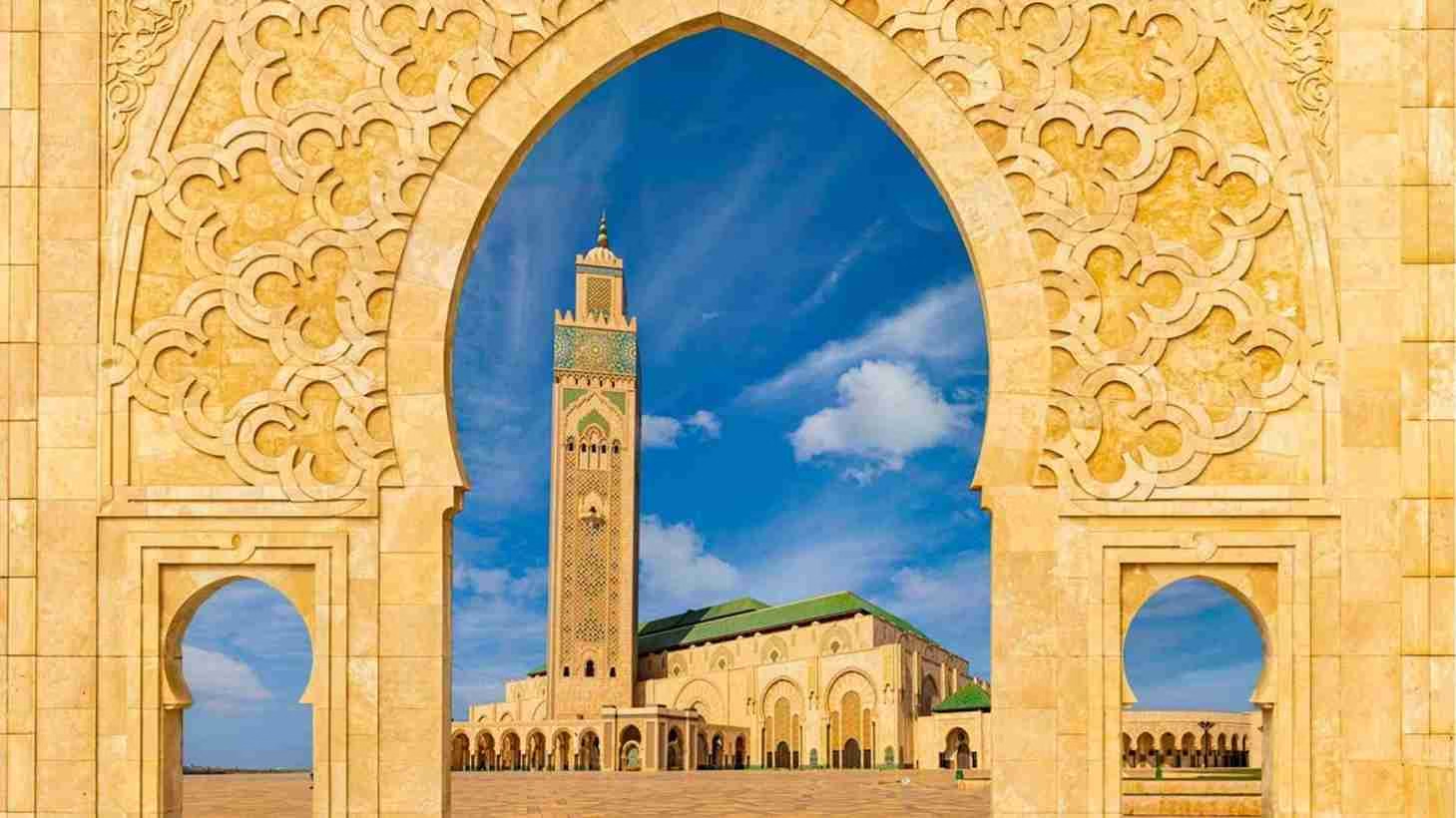
Casablanca
The headline number is 115,000, which when the Grand Stade Hassan II opens will make it the largest football stadium ever built. Designed by Populous, the firm behind Wembley and Tottenham Hotspur Stadium, its geometry draws from Moroccan moussem architecture and Amazigh ornamentation. Construction is underway with an expected opening around 2028. Whether it hosts the World Cup final has not yet been confirmed by FIFA, Morocco is positioning it as their candidate, and the argument based on scale alone is difficult to counter.
Beyond the match: The Hassan II Mosque, built over the Atlantic, is one of the largest religious buildings on earth and genuinely worth an afternoon. Casablanca is also Morocco’s primary international airport hub and the practical arrival point for most World Cup visitors.
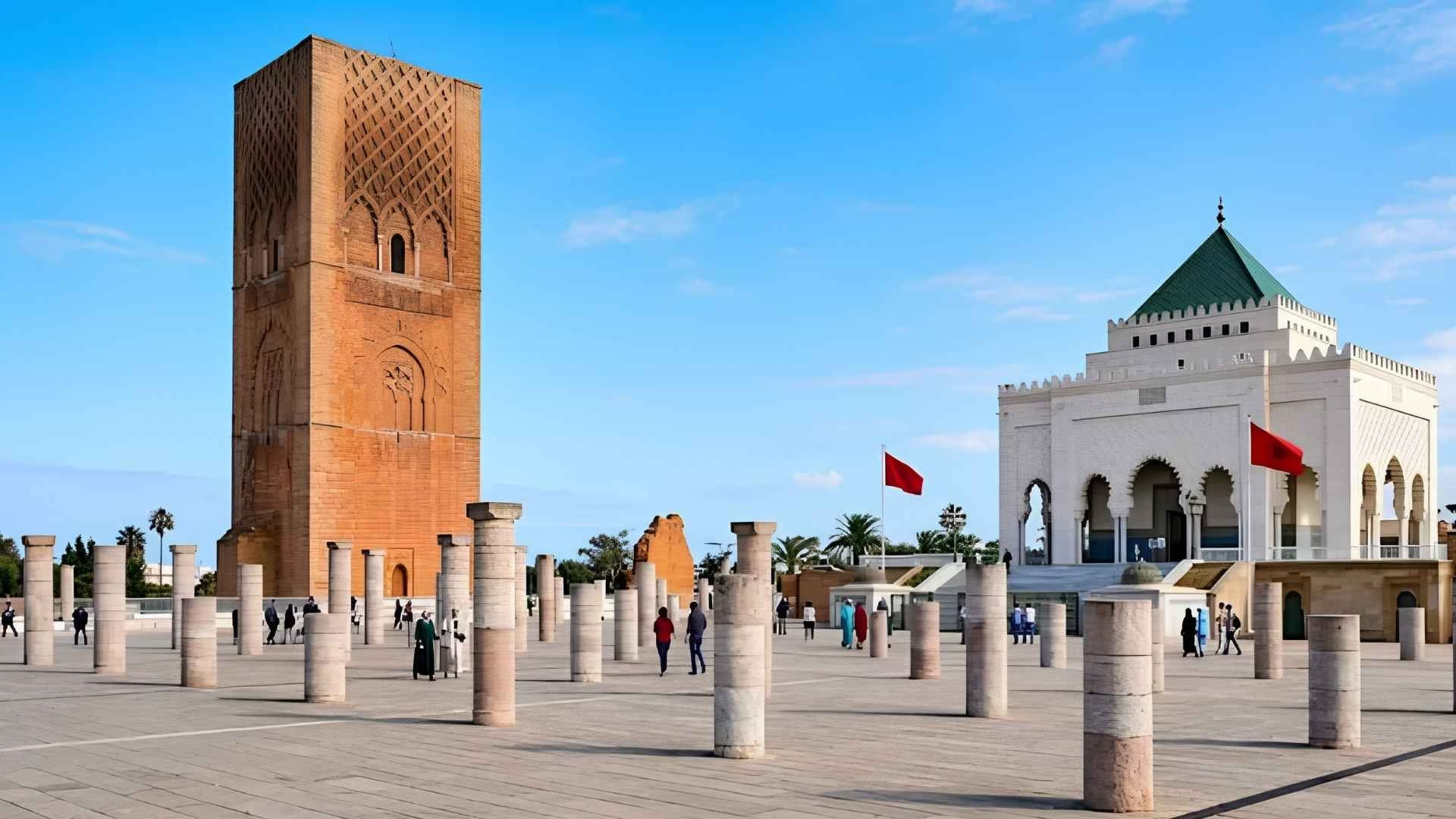
Rabat
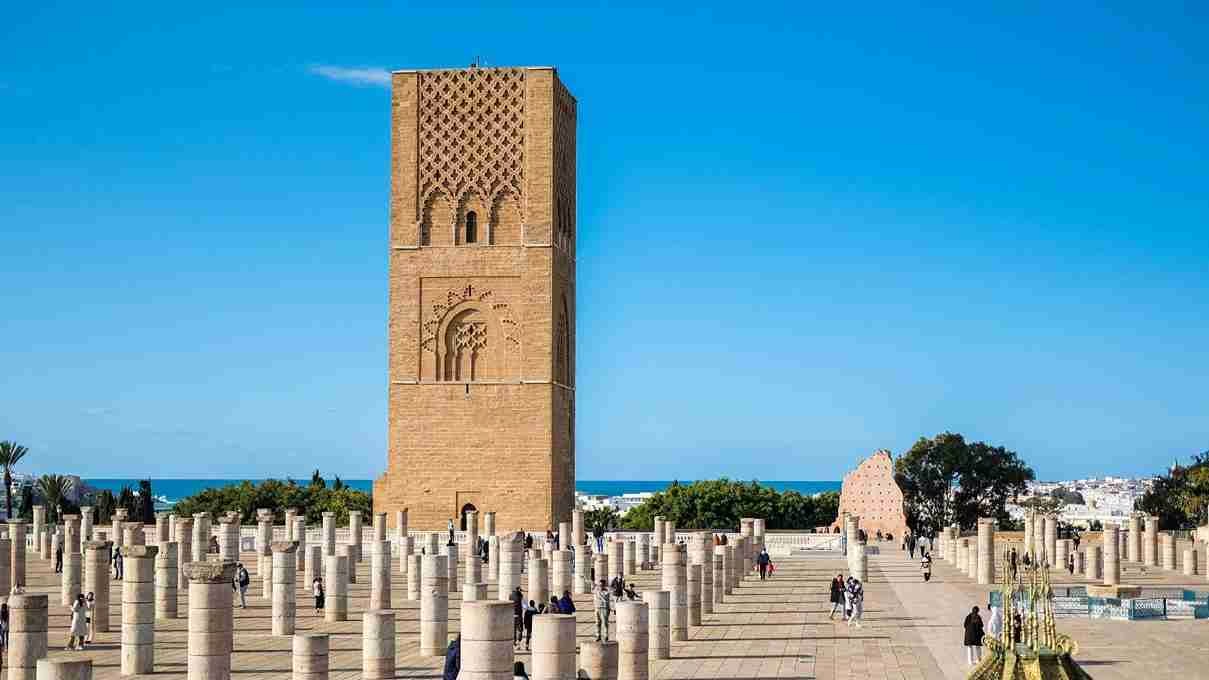
A UNESCO World Heritage capital getting a brand new 65,000-seat stadium. Forty-five minutes from Casablanca by Al Boraq high-speed train, making it the natural complement to a Casa base during the tournament. The Kasbah des Oudayas, a 12th-century fortress with blue-and-white alleyways overlooking the Atlantic, is one of Morocco’s most undervisited and most beautiful corners.
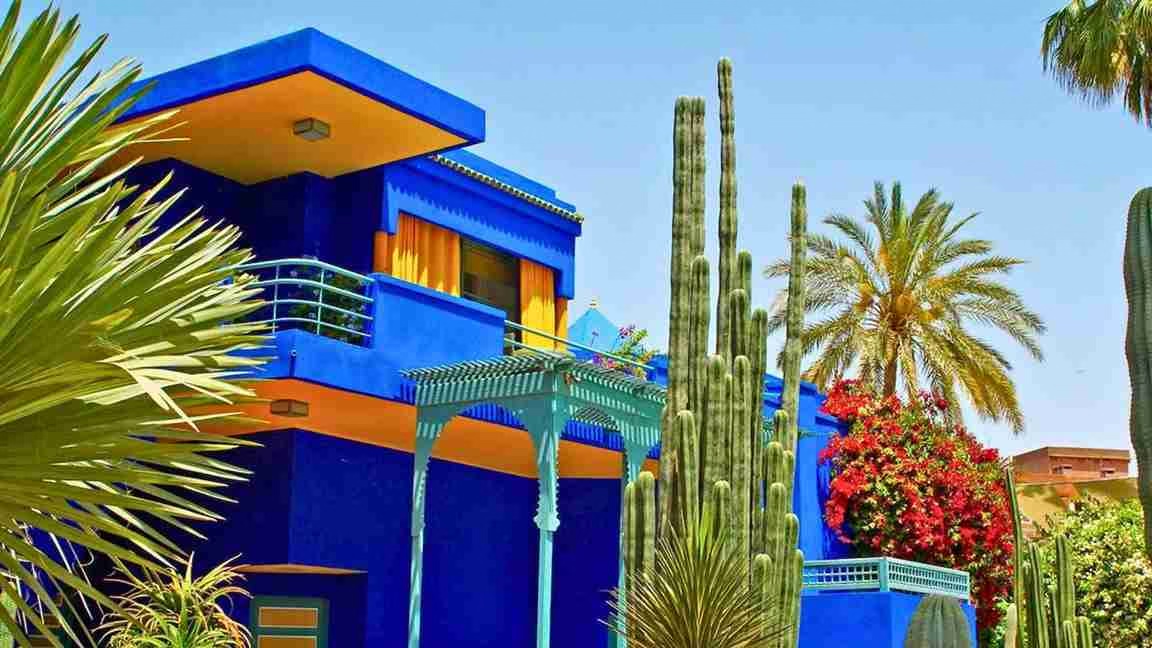
Marrakech
Morocco’s most internationally recognised city. The renovated stadium holds 45,000. Central Marrakech, with its souks, riads and rooftop restaurants around Jemaa el-Fnaa, will be among the most atmospheric places in the world to experience a World Cup — and will need to be booked earliest of any host city in the country.
Tangier
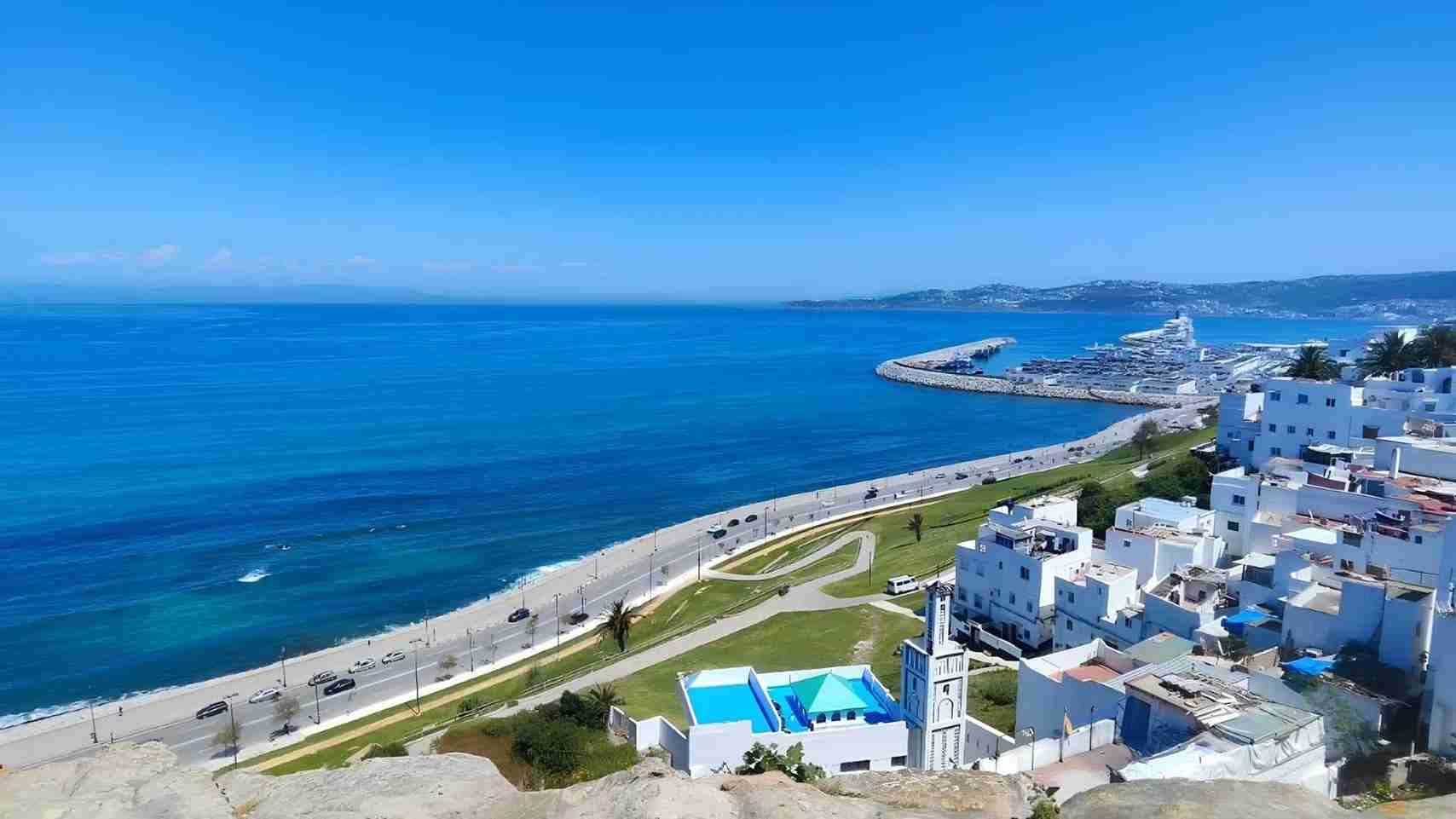
Named after the 14th-century Moroccan explorer and scholar. The closest Moroccan host city to Europe, 35 minutes by ferry from Tarifa in southern Spain. For European fans crossing into Morocco, Tangier is the natural entry point and the start of a logical southward circuit through the other host cities.
Fes
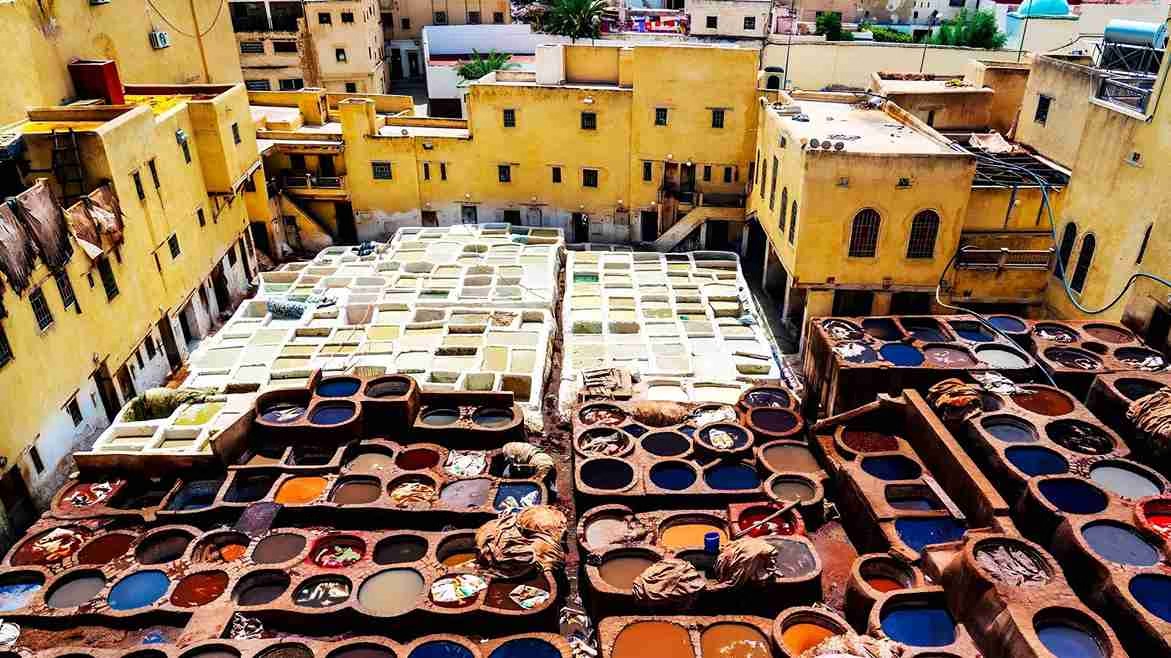
No World Cup host city in history has offered this particular contrast: a modern FIFA stadium on the outskirts, and inside the city walls, the largest car-free urban area in the world. Fes el-Bali, with the 9th-century University of Al Quaraouiyine at its heart, is the most intellectually extraordinary host city on the Morocco circuit.
Agadir
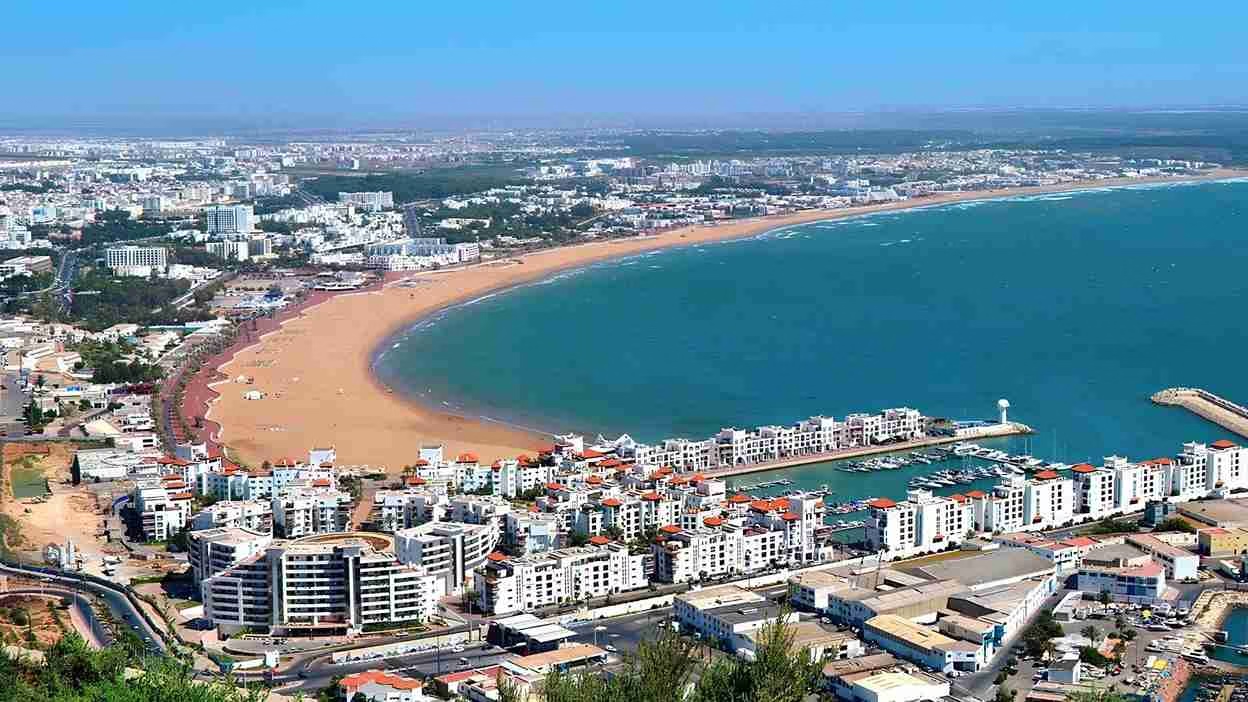
Morocco’s Atlantic resort city, with 9 kilometres of beach and over 300 days of sunshine annually. The expanded Stade Adrar will hold 70,000. Agadir is the right World Cup base for fans who want football plus proper time on the water between fixtures, rather than a city-to-city sprint across the country.
Beyond The Six Host Cities
The host cities are spread from north to south. The landscape between them is some of the best travel anywhere in the world.
Sahara Desert
The Erg Chebbi dunes near Merzouga sit around nine hours south of Marrakech. A three-day detour from the southern host cities delivers the most distinctive part of Morocco’s geography and the reason most people come back.
Chefchaouen
Two hours from Tangier, three from Fes. The blue city in the Rif Mountains is a natural detour between northern fixtures and the kind of place that genuinely surprises people who have heard about it for years.
Ait Ben Haddou
The UNESCO ksar on the road south of Marrakech, still inhabited, and the location of choice for four decades of international film and television production. Half a day and genuinely unlike anything in the host cities.
Essaouira
Three hours from Marrakech on the Atlantic coast. A walled city built on wind and salt air with a completely different pace and atmosphere from anywhere else on the Morocco circuit.
Atlas Mountains
Between Marrakech and the desert, the High Atlas rises past 4,000 metres. The Tizi n’Tichka pass at 2,260 metres is worth the drive in either direction.
Volubilis
The best-preserved Roman city in North Africa, 30 minutes from Meknes. Between Fes and Rabat fixtures, one of the more unusual half-day stops available anywhere in World Cup travel history.
Morocco 2030 World Cup Tour Packages
We handle the country; itinerary, transport and accommodation. Match tickets are arranged separately through FIFA’s official channels.
Northern Tour: Tangier, Fes & Rabat
Covers three northern host cities with a Chefchaouen detour. Designed around flexible fixture dates.
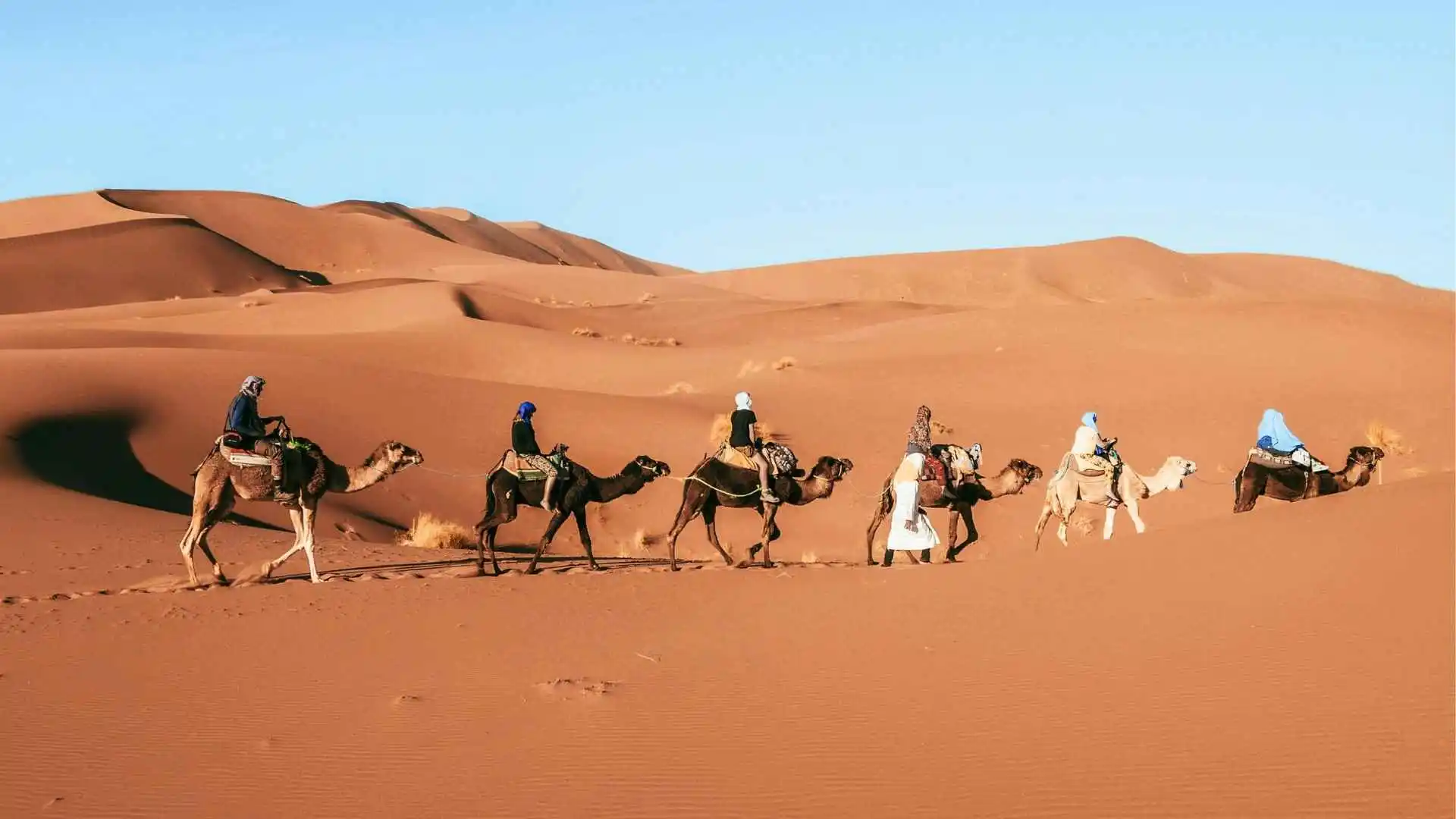
Southern Tour: Marrakech, Ouarzazate & The Sahara
One southern host city, a Sahara desert night, and Ait Ben Haddou en route.
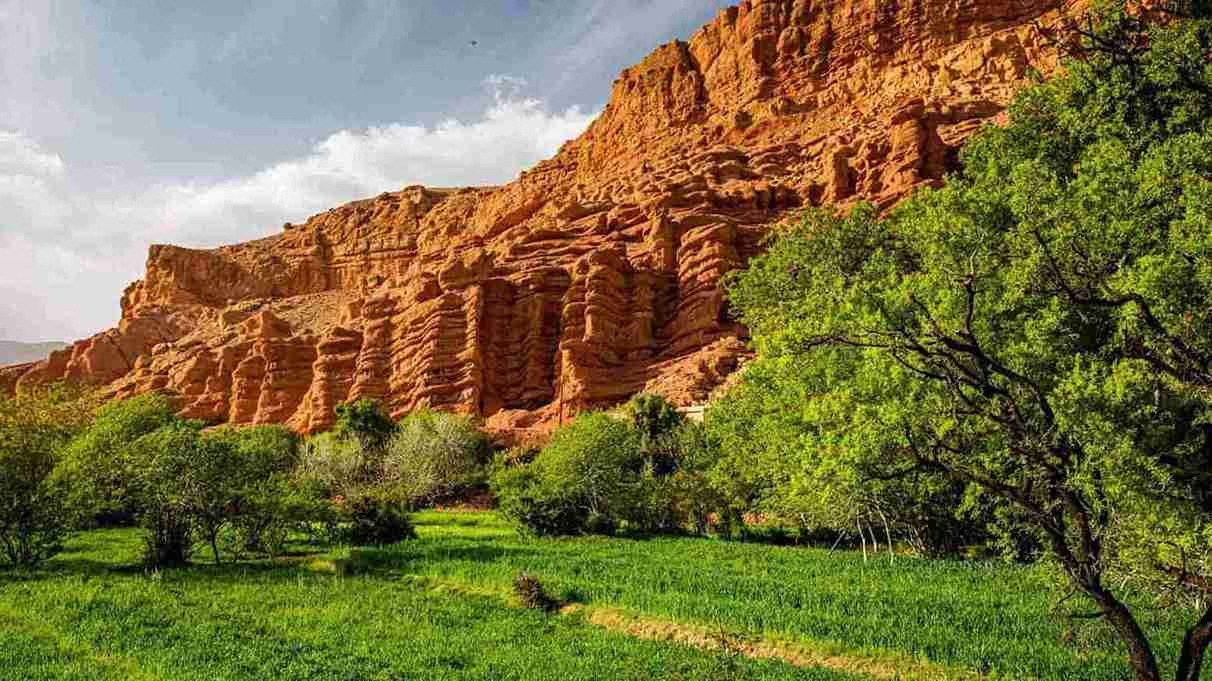
The Full Morocco 2030 Circuit
All six host cities, connected by private vehicle, with the Sahara, Chefchaouen and the Atlantic coast built in between matches.
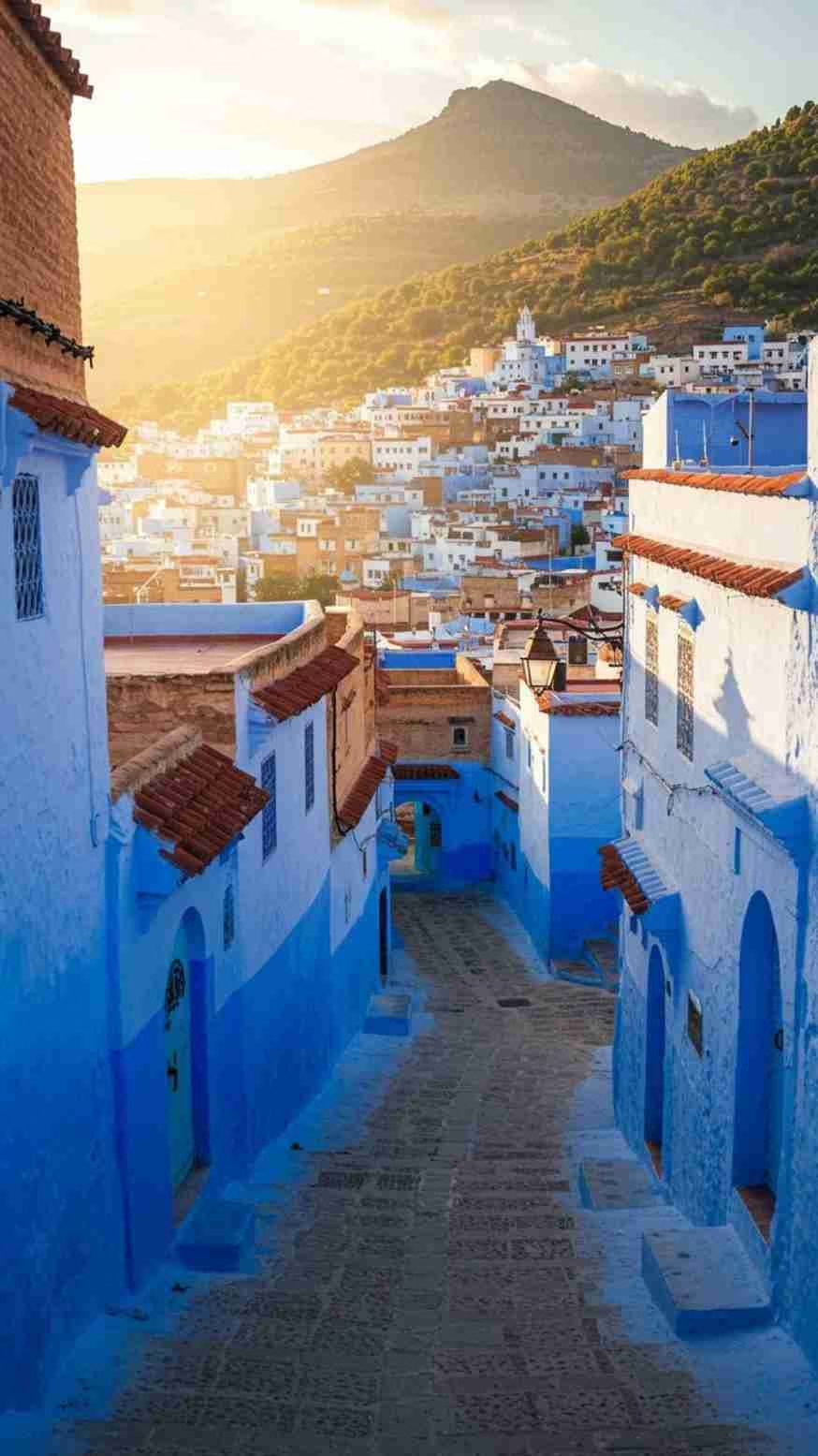
The Spain–Morocco Crossing
For fans arriving by ferry from Tarifa. Tangier entry to Fes, Meknes and Rabat, with an optional Casablanca extension.
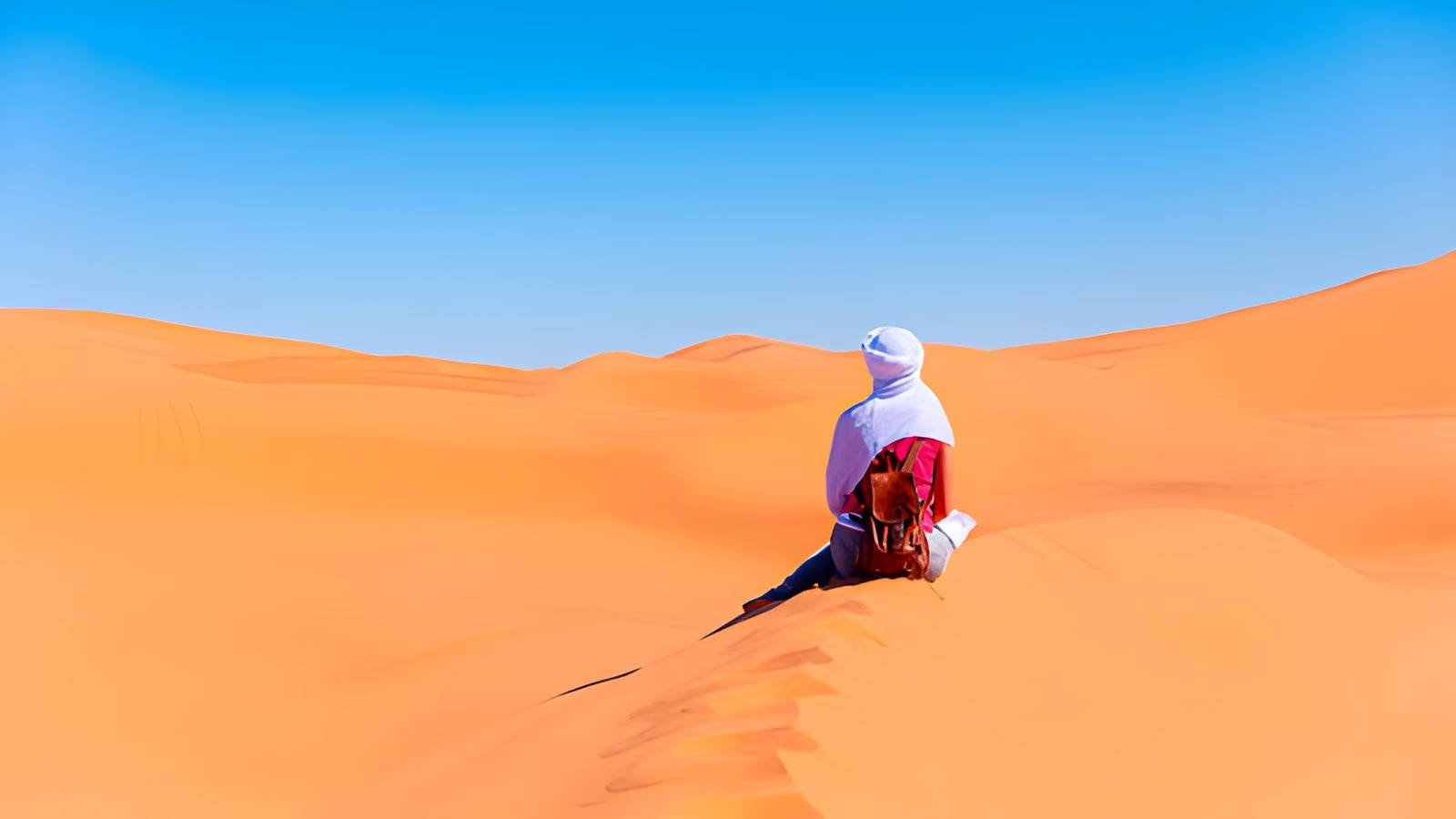
Visit Before The Tournament
See Morocco in 2027, 2028 or 2029. New infrastructure running, new stadiums open, crowds and prices well below 2030 levels.
Browse ToursBuild Your Own World Cup Itinerary
Tell us your match cities, travel dates and how many days you have. We build the Morocco trip around them.
Plan A Custom TripPlanning Guide For Morocco 2030
When To Book
As early as possible. The most desirable riads and boutique properties near the host cities, particularly Marrakech and Casablanca, will be claimed well in advance. Morocco is planning 25,000 additional hotel rooms by 2030, but new stock at the top end fills first. A realistic minimum for planning is early 2029, earlier for premium accommodation.
Getting Between Host Cities
The Al Boraq high-speed train already connects Tangier to Casablanca with stops at Kenitra and Rabat in around 2 hours 10 minutes. A high-speed extension to Marrakech is part of the 2030 infrastructure programme. Private vehicle is the most flexible option between Fes, Agadir and cross-country connections — which is exactly what we offer.
Getting Into Morocco
Casablanca Mohammed V International Airport is the main hub, with direct connections across Europe, the US, West Africa and the Gulf. Tangier, Marrakech, Agadir and Fes all have international airports expanding through 2030. European fans from Spain have the additional option of the Tarifa-Tangier ferry, roughly 35 minutes across the Strait of Gibraltar.
The Pre-Tournament Case
The most underrated option: visiting in 2027, 2028 or early 2029. By then, every infrastructure improvement from AFCON 2025 and the 2030 preparations will be in place and operational. You see Morocco at its best, before the World Cup brings 1.2 million additional visitors and the prices that come with them.
Morocco 2030 World Cup: Everything Travelers Are Asking
Answers based on what has been officially confirmed, with honest flags for what hasn’t been yet.
Which cities in Morocco will host 2030 FIFA World Cup matches?
Six Moroccan cities: Casablanca, Rabat, Marrakech, Tangier, Fes and Agadir. Each has a stadium being built or renovated to FIFA standards. All six hosted the Africa Cup of Nations in December 2025 and January 2026, which served as a direct operational rehearsal for 2030.
Who are the co-hosts of the FIFA 2030 World Cup?
Morocco, Spain and Portugal are the three main co-hosting nations. Three additional centenary celebration matches, marking the 100th anniversary of the first 1930 World Cup, will be held in Uruguay, Argentina and Paraguay before the main tournament begins across the primary three hosts.
When does the 2030 World Cup start and end in Morocco?
The tournament is expected to run approximately June to July 2030. As of mid-2026, FIFA has not confirmed specific match dates or the full schedule. These will follow the completion of the qualification process closer to the tournament.
What is the Grand Stade Hassan II in Casablanca?
A new 115,000-seat stadium under construction near El Mansouria, outside Casablanca, designed by Populous — the firm behind Wembley Stadium and Tottenham Hotspur Stadium. When completed around 2028, it will be the largest football stadium in the world. Its design draws from traditional Moroccan geometric and Amazigh architectural traditions. Whether it hosts the World Cup final is not yet confirmed by FIFA; Morocco is positioning it as their candidate.
Is Morocco safe for visitors during major sporting events?
Yes. Morocco is among the most stable countries in North Africa for international tourism and has hosted large international events continuously. The successful hosting of AFCON 2025 across the same six host cities confirmed that the security and logistics infrastructure planned for 2030 works at scale.
Do I need a visa to visit Morocco for the 2030 World Cup?
Travelers from the EU, UK, USA, Canada, Australia and most Western countries currently do not need a visa for stays of up to 90 days. Requirements may change in advance of the tournament, and FIFA typically introduces a dedicated fan entry or fan ID system for World Cup host nations. Confirm requirements with the Moroccan embassy in your country as 2030 approaches.
How far is it between Morocco’s World Cup host cities?
Tangier to Casablanca takes around 2 hours 10 minutes on the Al Boraq high-speed train. Casablanca to Marrakech by road is roughly 3.5 hours; by high-speed rail (under construction) considerably less. Fes to Casablanca is around 3 hours by road. Agadir sits around 9 hours south of Tangier — best reached by flight from Casablanca or by private vehicle. Full road connections exist between all six cities via Morocco’s motorway network.
Is it worth visiting Morocco before the 2030 World Cup?
For many travelers, genuinely yes. All 2030 infrastructure improvements — new stadiums, airport expansions, road and rail upgrades — will be complete well before the tournament. Visiting in 2027, 2028 or 2029 gives you the full benefit of every investment, with none of the crowd levels or elevated prices the tournament itself will bring.
Tell Us About Your World Cup Trip
Tell us your intended match cities, roughly how many days you have, and whether you are planning around specific fixture dates or just want to see Morocco during the tournament window. We will build the itinerary around what you actually want. No fixed packages, everything is built to order.